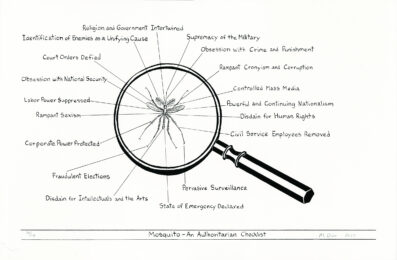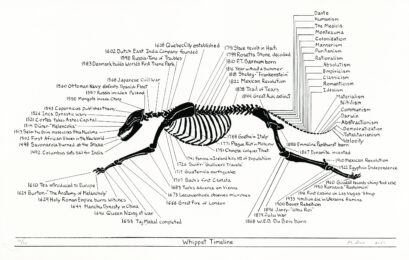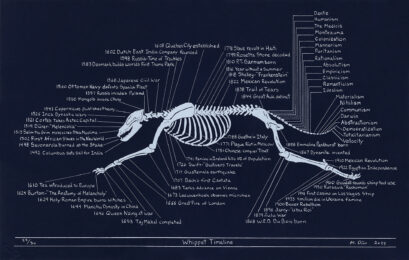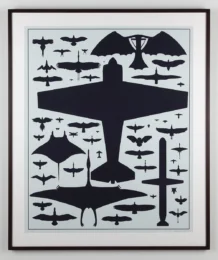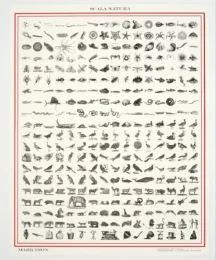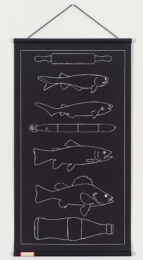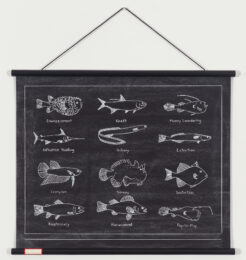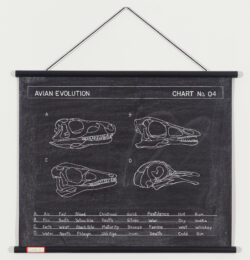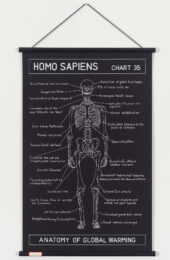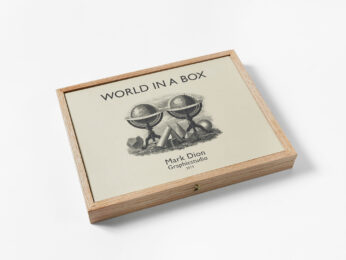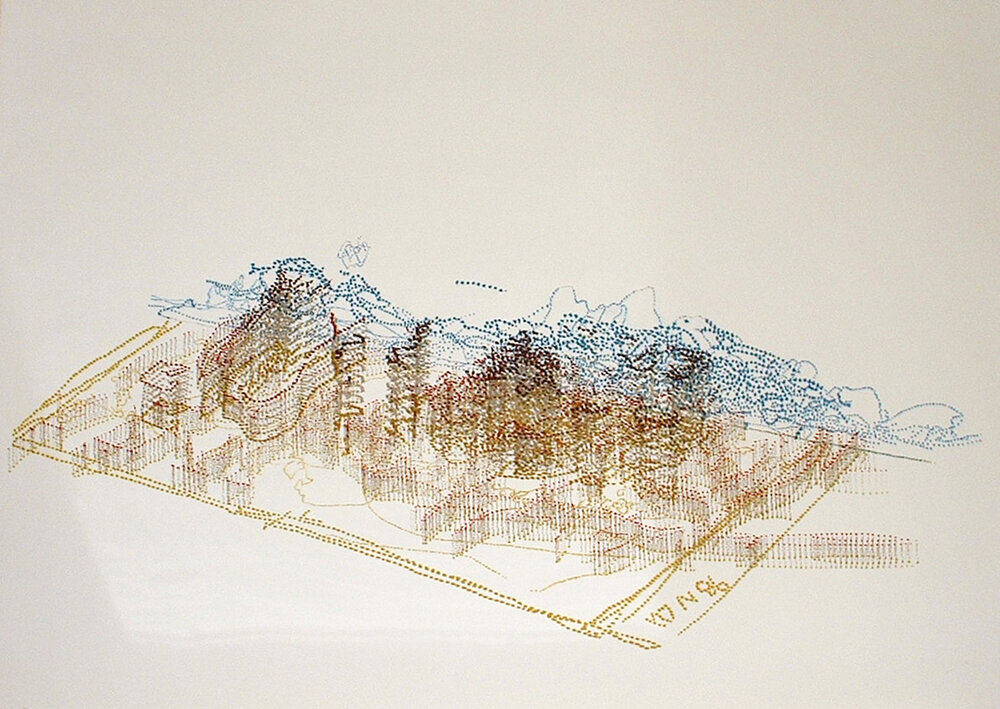
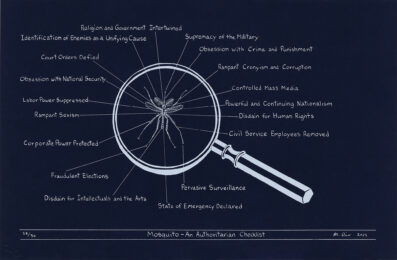
Mark Dion’s printmaking practice forms an essential thread through his broader inquiry into natural history, institutional knowledge, and the human compulsion to classify the world. Though perhaps overshadowed by his large-scale installations — the elaborate Wunderkammern, reconstructed specimen cabinets, and theatrical archaeological digs — his works on paper reveal the conceptual foundations of his art with particular clarity.
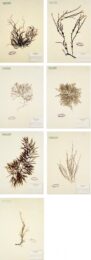
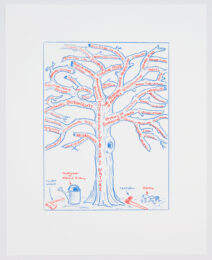
His prints draw heavily on the visual language of eighteenth- and nineteenth-century natural history illustration: the engraved precision of Buffon, the hand-coloured drama of Audubon, the compositional seriousness of Linnaean botanical drawing. Dion borrows this formal grammar and then quietly destabilises it. Taxonomies are subtly scrambled, animals appear slightly displaced, and the authoritative voice of scientific description is turned just enough off-kilter to expose the ideological assumptions the originals worked so hard to conceal.
Extinction and environmental collapse are recurring subjects. Vanished or endangered species appear with the same matter-of-fact elegance as common ones, raising uncomfortable questions about how we decide what to record and what to mourn. The print medium itself — reproducible, democratic, historically bound up with the dissemination of scientific knowledge – becomes part of the argument.
Dion has collaborated with publishers, producing editions that combine lithography, etching, and screen-printing with collage fragments drawn from antique natural history texts. These hybrid works underscore his central preoccupation: the act of reassembling knowledge as a way of interrogating where it came from and who it served.
Running beneath the scholarship is a dry wit. A mislabelled beetle, a cabinet drawer left ajar, a stranded whale rendered with clinical beauty – these are images that reward patience, functioning as compressed, portable versions of his larger practice: quietly subversive, and impossible to look away from.