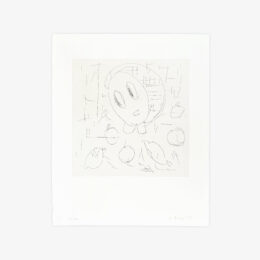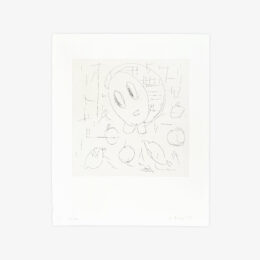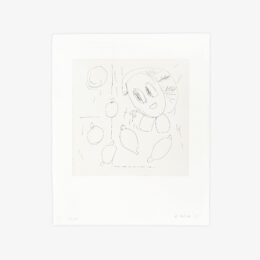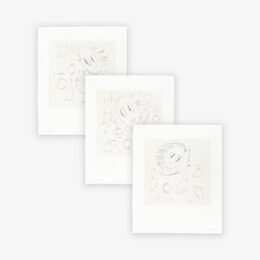
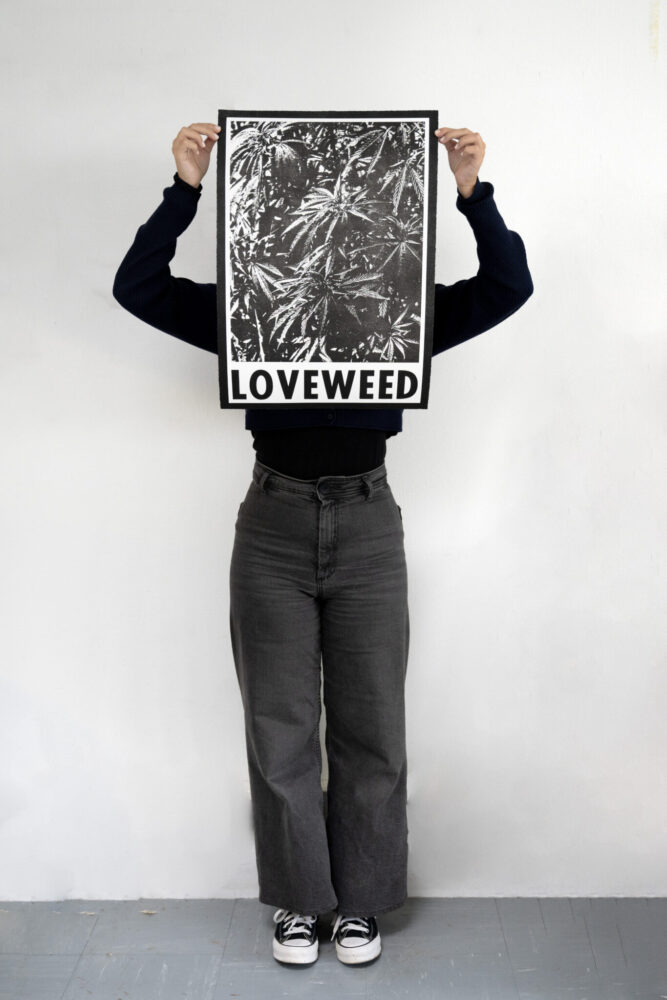
Loveweed
Artwork details
- Artist
- Wallace Berman
- Title
- Loveweed
- Description
-
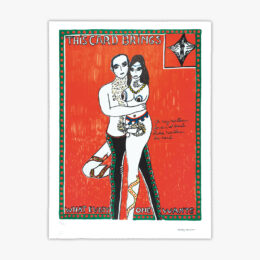
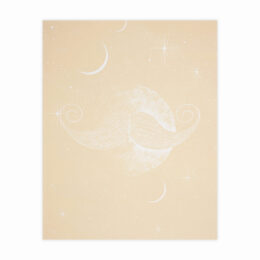
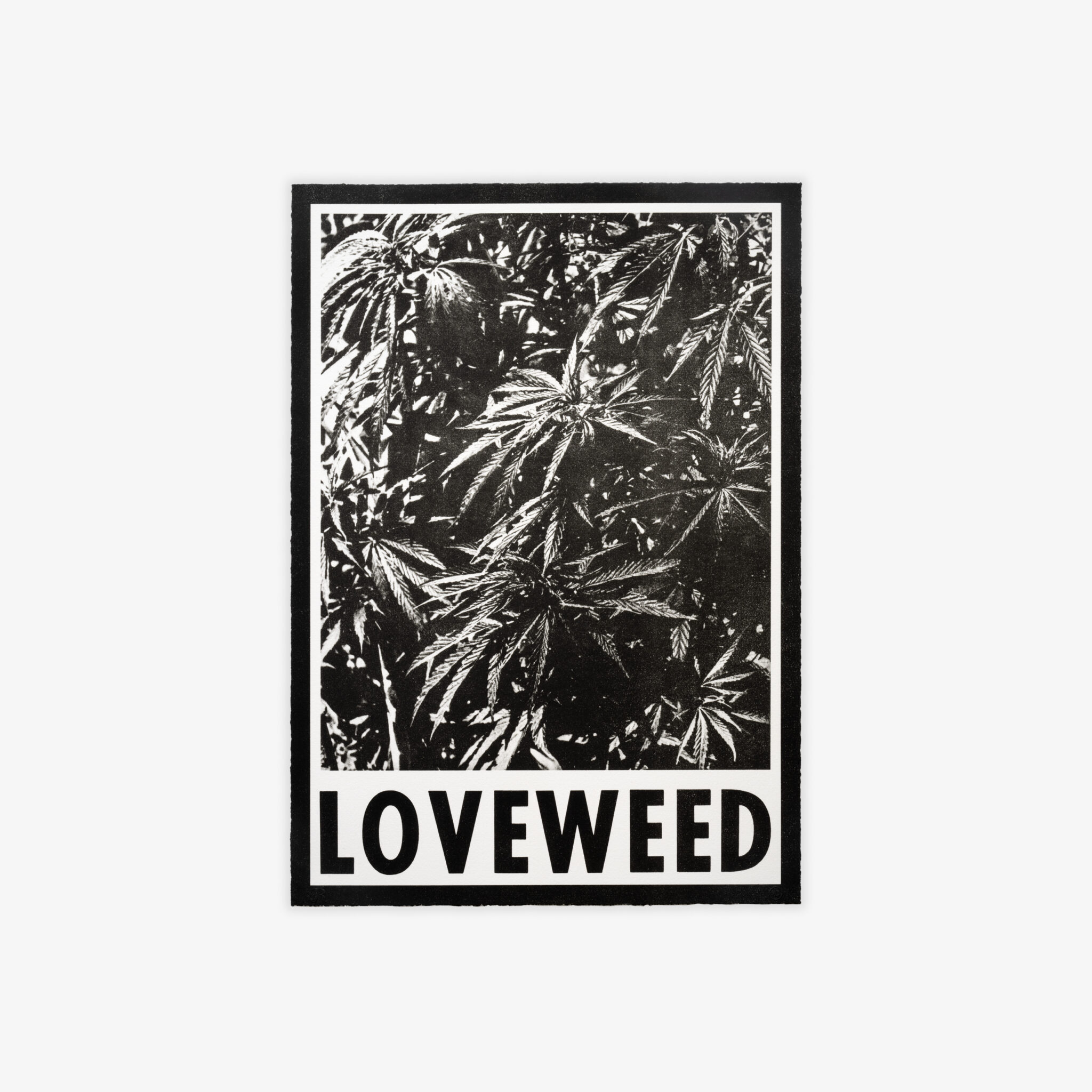
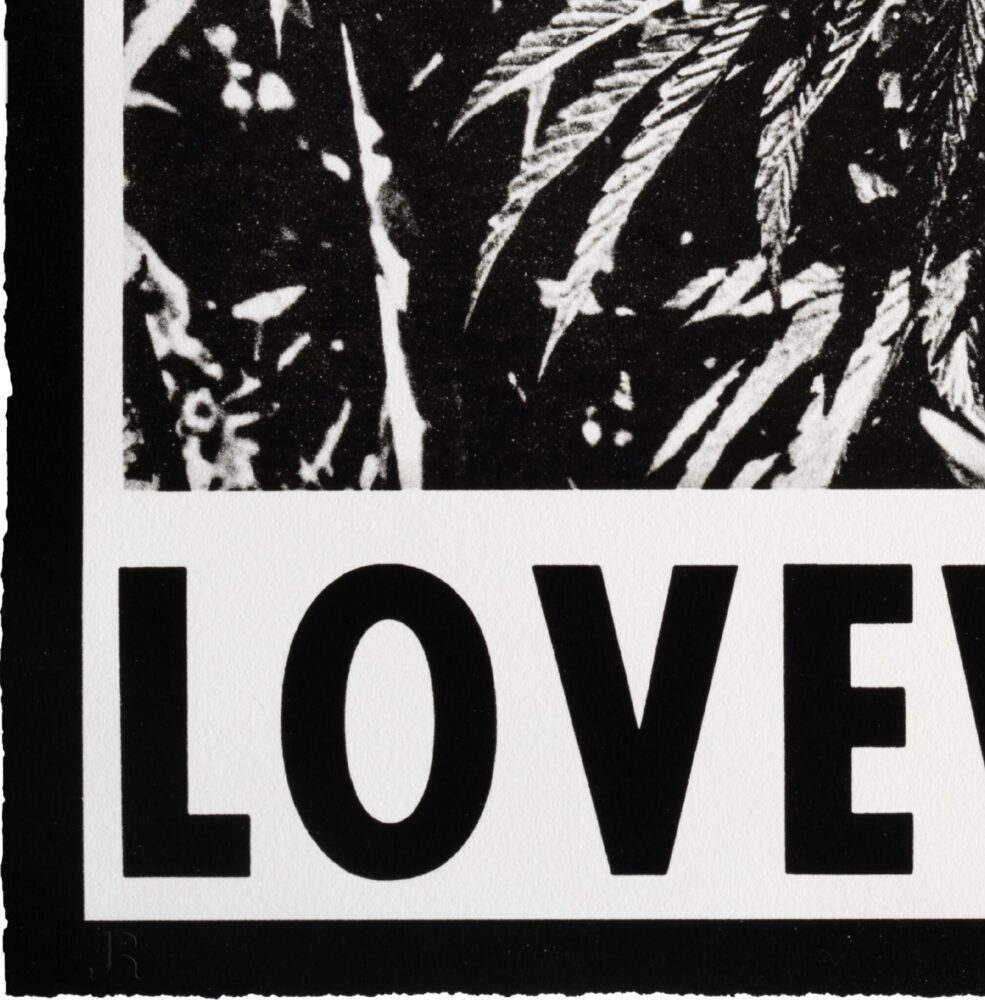
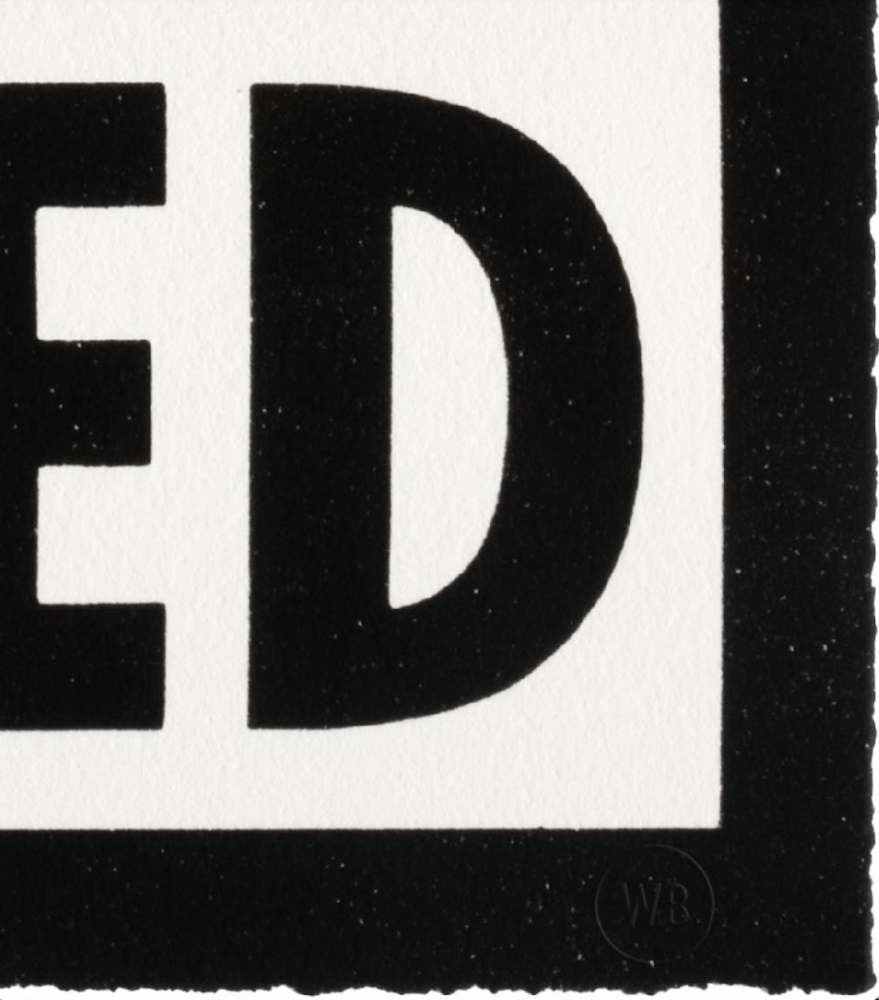
Technique: 1-color lithograph printed on BFK Rives 300 g with Voirin lithographic press, hand cut.
Signature: Stamped by The Estate of Wallace Berman, numbered and stamped by our publishing house.
Co-edition: with Galerie Frank Elbaz.
LOVEWEED by Wallace Berman is a facsimile edition of the original offset poster from 1963, realized with The Estate of Wallace Berman.
Characteristic of the artist’s life philosophy, this work is as much a manifesto for weed as it is a manifesto for freedom.In the 1960s, especially on the West Coast, pot was a huge socio-political topic and being that it was illegal, people in America and elsewhere were given prison sentences for having or selling it.
As a fervent social Libertarian, Berman didn’t believe that there should be drug laws of any sort not because he was pro-drug, but rather because he clearly didn’t think the law was best to solve issues of narcotic usage.This poster was distributed in California by the artist himself, both in artistic contexts and anonymously—the latter being of great appeal to Berman.
- Date
- 2023
- Medium
- Colour Lithograph
- Edition
- 99
- Signature
- Signed
- Sheet
- 54 cm x 38 cm (21.26 in. x 14.96 in.) cm
- Status
- Available
- Price
- $1,068.00