Walk into any major retrospective of a great sculptor and you’ll find something unexpected tucked between the bronzes and the marble: a wall of prints. Etchings, lithographs, woodcuts – flat, inked, and seemingly worlds away from the weight and shadow of three-dimensional form. Why would an artist who has mastered the seduction of mass and volume bother with ink on paper?
The answer is that printmaking isn’t a detour from sculpture. For many of history’s greatest sculptors, it’s the same conversation continued in a different room.
It’s tempting to assume the print is a lesser cousin of the sculpture – a souvenir, a marketing tool, something dashed off between “real” work. But look closer at the biographies of the artists who did both, and a different picture emerges. The print wasn’t beneath them. It was often where the thinking happened first, where the risk was lowest, and where some of their most daring ideas actually survived. Here’s what was really going on when sculptors picked up a burin instead of a mallet.
The Sketchbook You Can Sell
Sculpture is slow, expensive, and unforgiving. Bronze casting requires foundries, assistants, and months of waiting. Marble punishes every miscalculation. Prints, by contrast, are fast, cheap, and endlessly repeatable – which makes them the ideal place for a sculptor to think out loud.
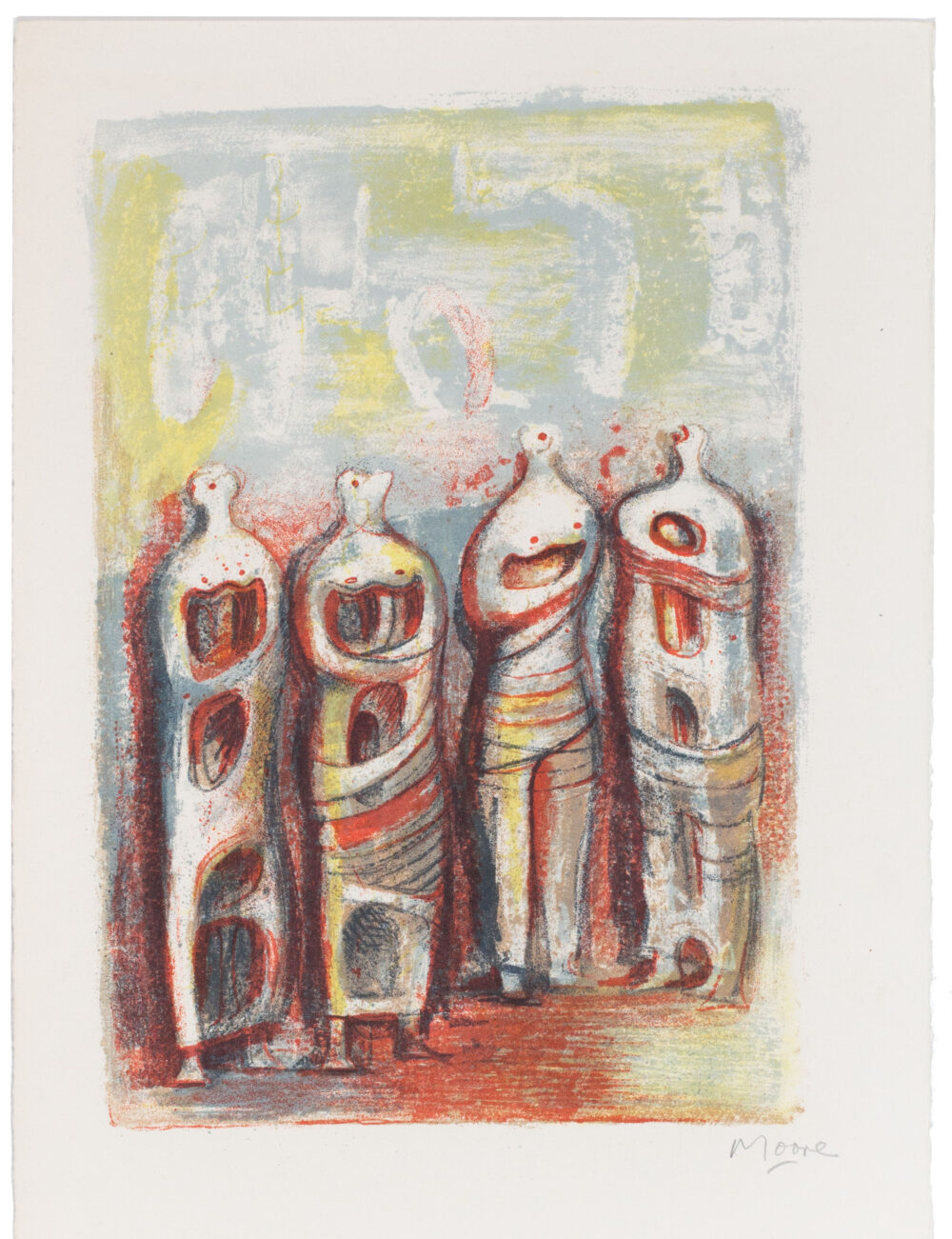
Auguste Rodin filled sheets with rapid ink washes and drypoint studies of the same twisting figures that would later become The Gates of Hell. Henry Moore’s lithographs of reclining figures aren’t finished statements so much as visible thinking – the sculptor testing a silhouette before committing a ton of stone to it. The print becomes a laboratory notebook, except one people actually want to hang on their wall.
Edgar Degas took this even further. Long before his wax dancers and bathers existed as three-dimensional objects, he was working out their weight and torsion through monotype – a printmaking process so immediate it barely qualifies as “printing” at all, more like painting on a plate and pulling a single ghostly impression from it. That single-pull impermanence suited a sculptor’s restlessness: no edition to protect, no commitment, just the chance to see whether a pose held together before trusting it to wax or bronze. A plate can be reworked in an afternoon. A sculpture, once cast, is a decision you live with.
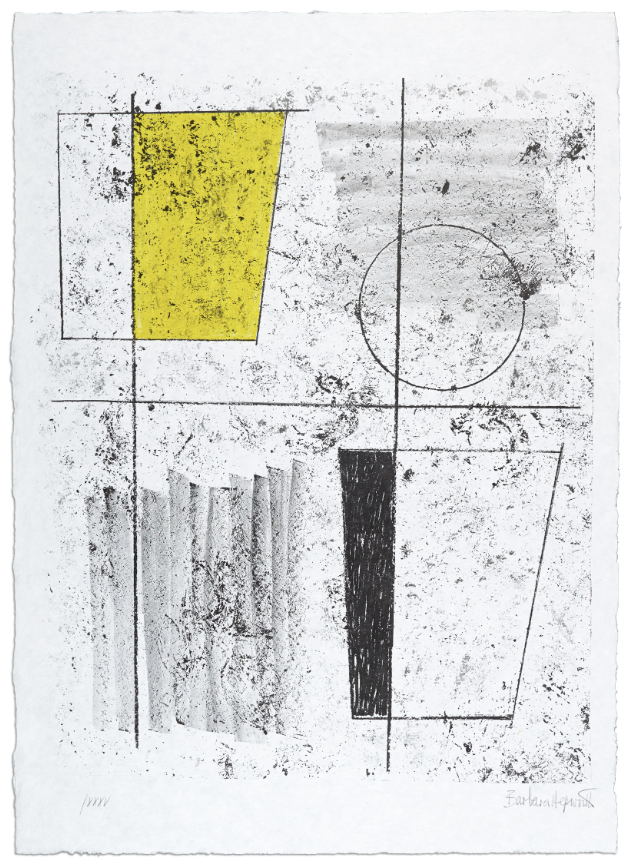
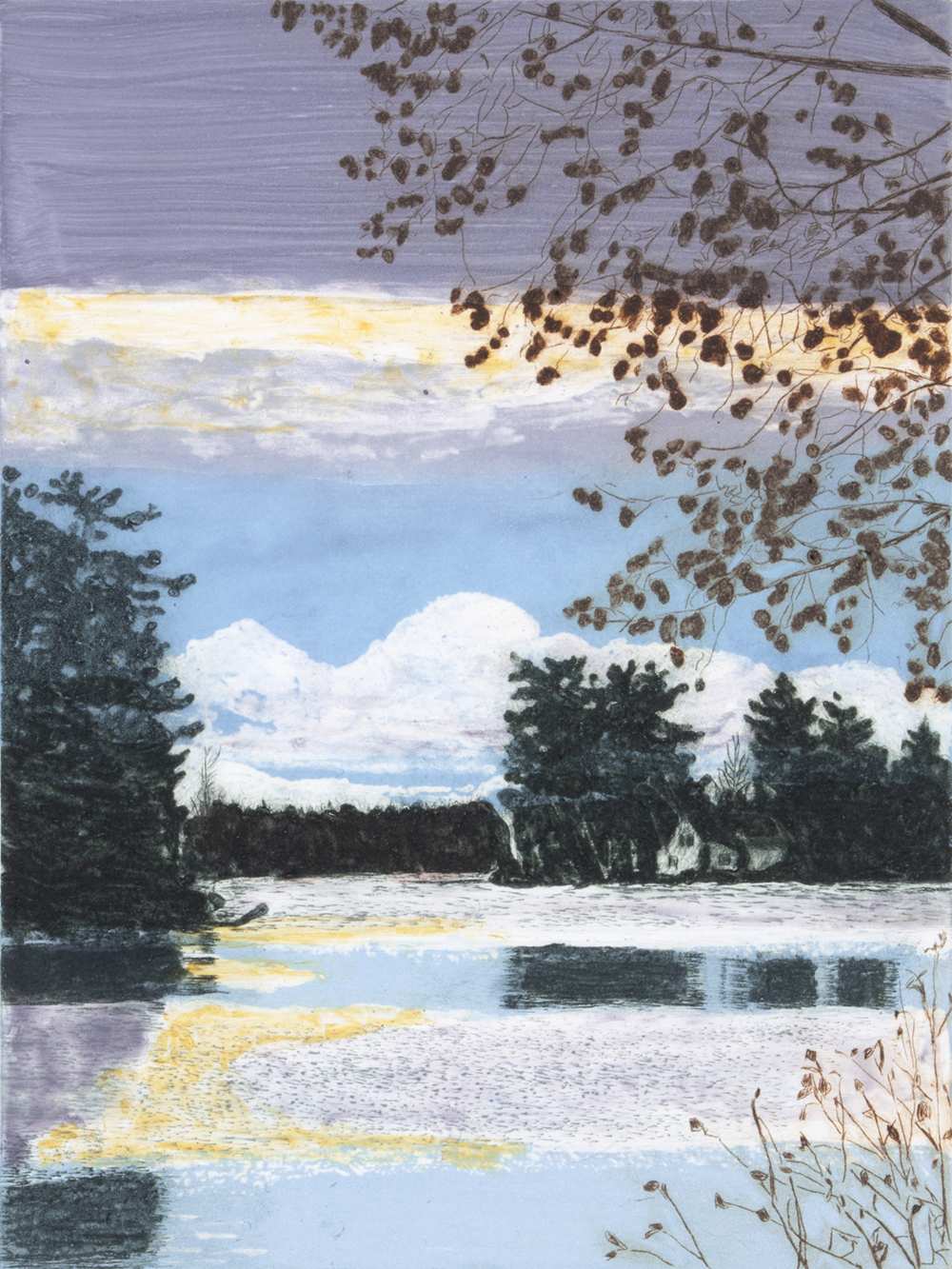
Three Forms Assembling, 1968, Barbara Hepworth
Les Statues Emprisonnées, 1950, Henry Moore
Money Talks (Even to Geniuses)
Here’s the unglamorous truth: sculpture rarely pays the bills on its own. A single bronze might take a wealthy patron or a museum commission to justify its existence. Prints solved a problem sculptors have faced for centuries – how to reach an audience who could never afford, or house, a monumental bronze.
An edition of fifty etchings could circulate to collectors across a continent while the sculptor’s actual sculptures sat in a handful of private gardens. Printmaking democratized access to an artist’s visual language, turning rarefied three-dimensional ideas into something a middle-class collector could actually own. Barbara Hepworth understood this instinctively – her prints extended her reputation and her income far beyond what her carved forms alone could reach.
The economics run deeper than simple affordability, too. A bronze edition might number six or eight casts, each requiring its own mold, pour, and finishing – a slow trickle of income stretched over years. A print edition can run into the dozens or hundreds, produced in a fraction of the time, giving a sculptor something rarer than fame: cash flow. Galleries loved this arrangement as much as artists did. A print show was cheap to mount, easy to ship, and forgiving of a gallery’s limited wall space – practical advantages that kept many a sculptor’s name in circulation between major exhibitions of the heavier, costlier work.
Solving the Problem Sculpture Can’t
Sculpture is a master of real space, real light, real shadow – but it can’t lie. It can’t show you an X-ray view, a cross-section, or an impossible vantage point. Prints can.
Louise Bourgeois used etching and drypoint to peel back the psychological interior of her sculptural obsessions – spirals, spiders, fragmented bodies – rendering emotional states that even her most visceral sculptures could only imply. A print lets a sculptor draw the idea of a form rather than its physical fact: the ghost of the object, its shadow, its memory.
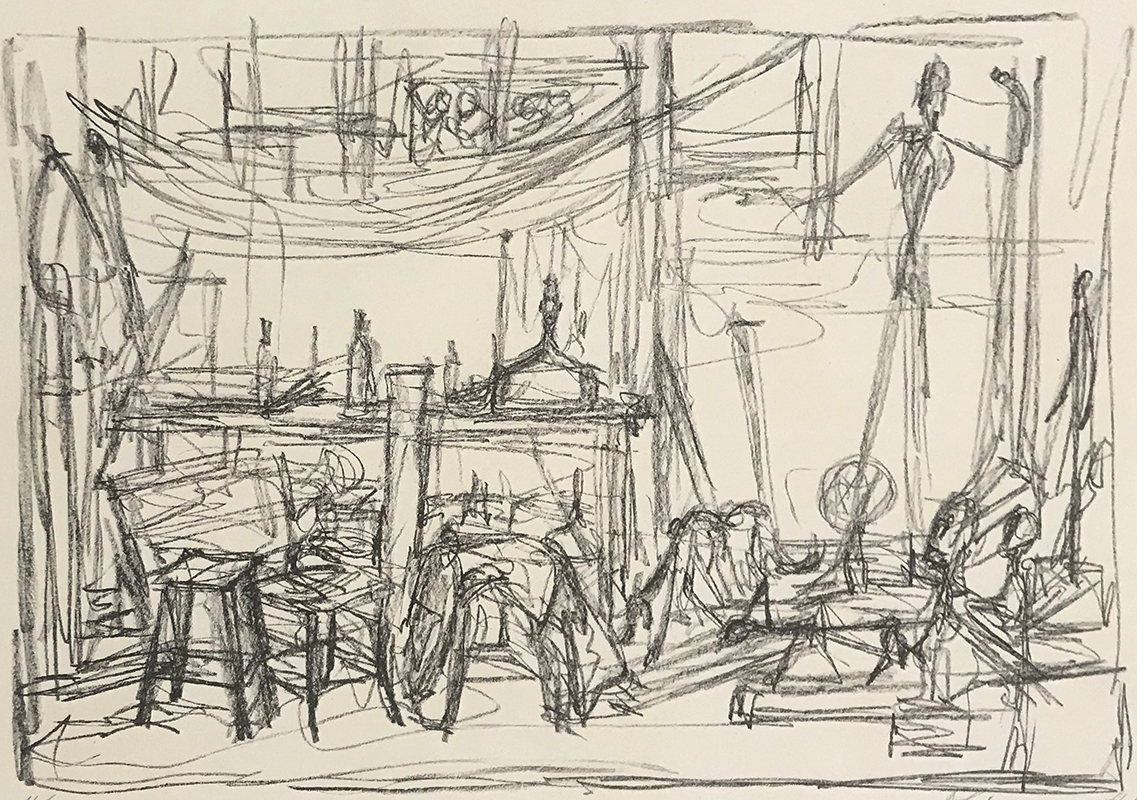
Alberto Giacometti’s prints work the same way. His attenuated figures in bronze already feel like they’re dissolving into space; his lithographs push that dissolution further, using scratchy, restless line to capture something no chisel ever could – atmosphere.
The Pointing Man, in the Studio, 1951, Alberto Giacometti
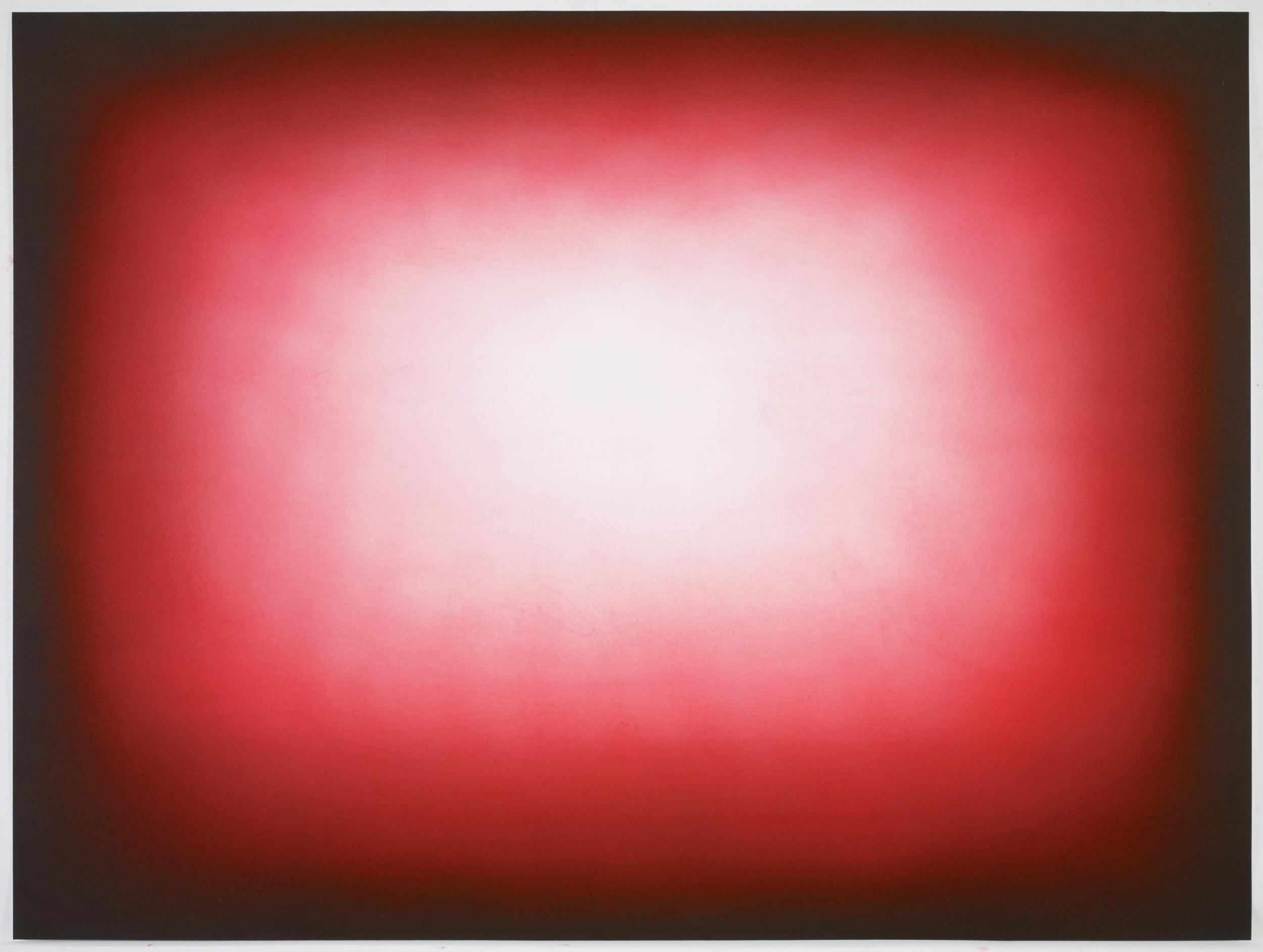
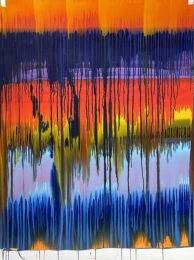
Red Shadow 08, 2016, Anish Kapoor
The Meditative Opposite of the Chisel
Carving and casting are physically brutal. Printmaking, by contrast, can be almost devotional – repetitive, controlled, intimate. For sculptors whose day-to-day practice involves swinging mallets or wrestling with molten metal, the printmaking table offers something like a rest cure: quiet, precise, contemplative.
Käthe Kollwitz, though best known as a printmaker who also sculpted, described the discipline of working a plate as a way of returning again and again to the same emotional truth until she got it right – impossible in stone, where every strike is permanent. Prints let an artist revise, layer, and second-guess in a medium that forgives.
There’s also a bodily relief in the switch. Sculpting in stone or bronze demands stamina – dust, heat, foundries, the constant physical negotiation with a material that fights back. A printmaking studio, by comparison, is quiet. You sit. You work at the scale of a hand rather than the scale of a body. For sculptors who spent their days wrestling with gravity and mass, an afternoon at the etching press could function almost like a change of instrument for a musician – different muscles, same underlying musicality.
Printmaking as a Second Sculptural Language
Perhaps the deepest reason is the strangest one: printmaking is a kind of sculpture. A woodcut is carved. An etching plate is bitten by acid the way a chisel bites stone. A relief print is, quite literally, a raised surface pressed into paper – sculpture’s core vocabulary of depth, mass, and surface, translated into ink.
This is why so many sculptors gravitate specifically toward relief techniques – woodcut, linocut, deep-bite etching – rather than flatter processes like lithography. Pablo Picasso, who moved fluidly between welded metal and linocut, treated the printing block itself as a sculptural object to be gouged and built up. The tools change; the sensibility of cutting into material and forcing it to reveal an image stays exactly the same.
Building a Public Before the Object Exists
There’s also a strategic dimension modern sculptors understand well. A limited-edition print announces a new body of work, tests audience appetite, and builds anticipation – all before an expensive sculpture is finished or even fully resolved. Contemporary artists like Anish Kapoor have used prints this way: as a public-facing preview of ideas still gestating in the studio, keeping collectors and critics engaged with the evolution of a practice between major unveilings.
The Same Hand, Two Dimensions
Strip away the market logic and the studio pragmatics, and what’s left is simpler than any of it: sculptors make prints because ideas don’t arrive pre-sorted by medium. A hand that has spent a lifetime learning how form occupies space doesn’t stop thinking sculpturally just because it picks up a burin instead of a chisel. The print is where that same restless intelligence gets to breathe – faster, cheaper, and free to fail.
That’s the real reason the print room sits next to the sculpture gallery in every great retrospective. It’s not a footnote to the main event. It’s the same mind, caught mid-thought.