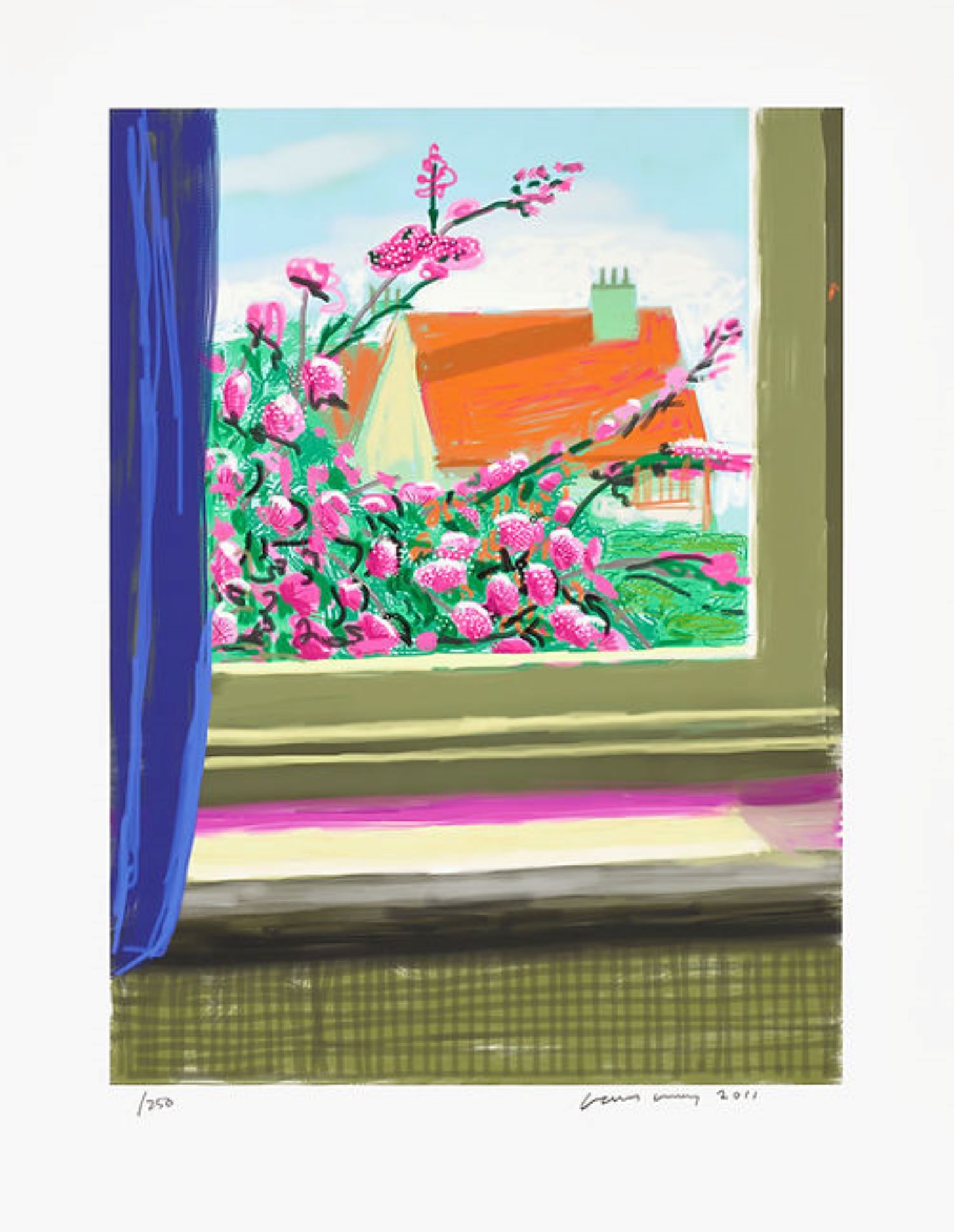
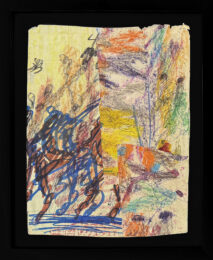
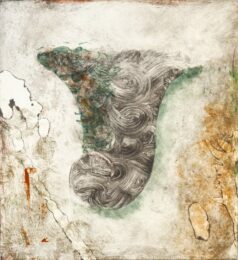
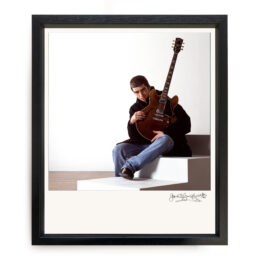
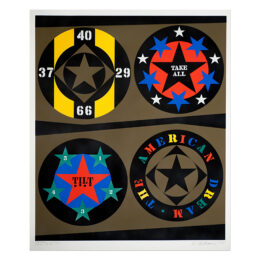
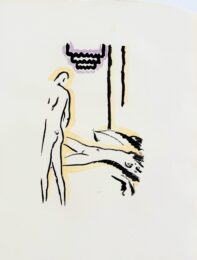
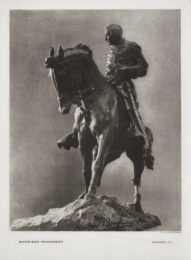
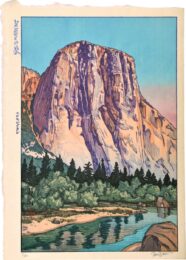
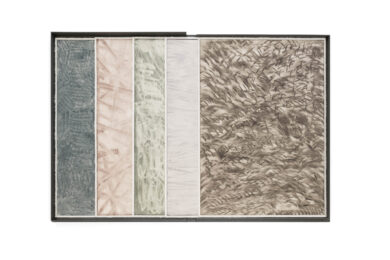
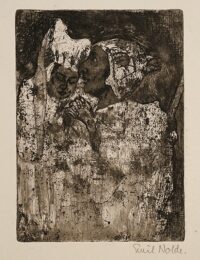
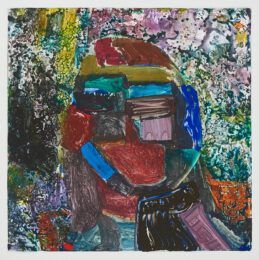
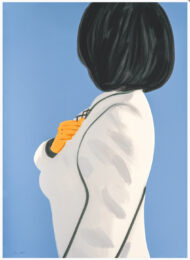
Walk into almost any gallery in the world and you’ll see a carefully curated selection of new works, freshly mounted and lit. What you won’t see is what’s in the back — in the storage racks, the flat files, the climate-controlled vaults. Works that were shown once, perhaps twice, admired but not acquired, and then quietly retired from view. The art world has a deep, structural problem with unsold inventory, and almost nobody talks about it.
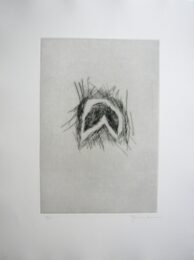
For galleries specialising in fine art prints and editions, the issue is particularly acute. An edition of thirty prints means thirty potential transactions. In practice, a gallery might sell the first eight or ten with relative ease on the energy of a new show or an artist’s moment. The remainder? They enter a kind of commercial purgatory – not quite written off, not quite actively sold.
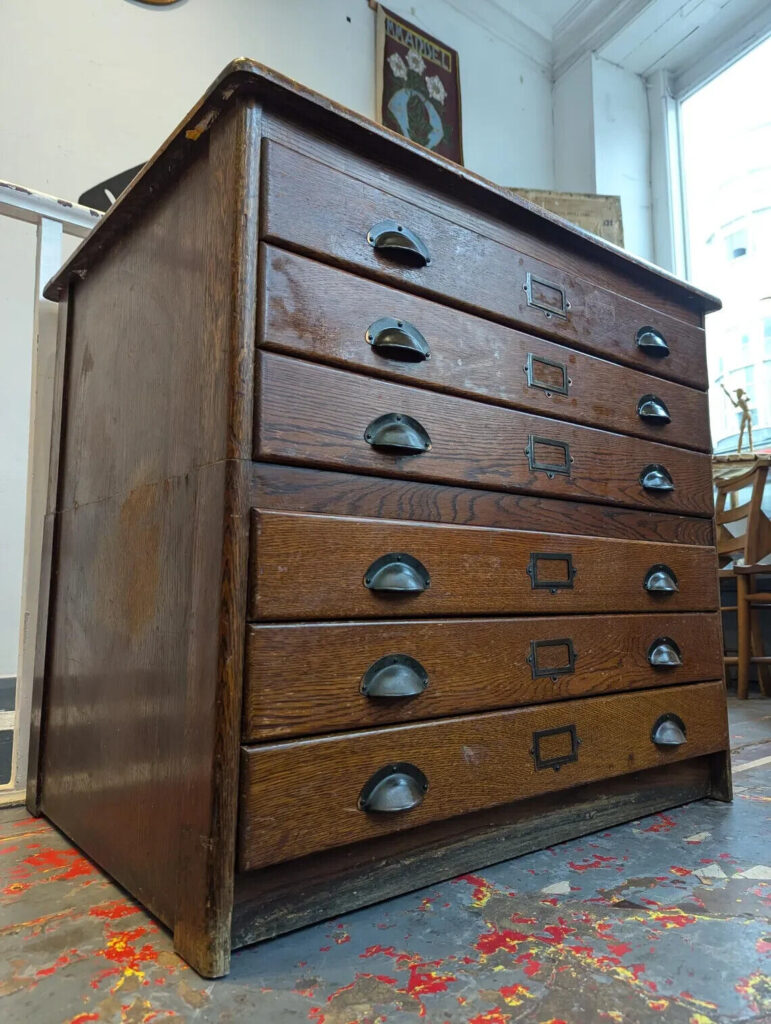
Six drawers. Empty labels. How much unsold work is your gallery sitting on right now?
The new-inventory bias
The economics of running a gallery push almost irresistibly toward the new. New acquisitions generate press interest and social media content. Artists expect visibility for their latest work. Collectors respond to freshness. Staff are energised by new shows. All of this creates a powerful cultural current that sweeps older inventory out of sight.
There is also a psychological dimension. Unsold work can feel, unfairly, like a small failure. A print that hasn’t sold after a year quietly embarrasses itself out of the conversation. Galleries rarely set out to neglect older stock – it happens incrementally, show by show, until the back catalogue is effectively invisible even within the gallery’s own operations.
What actually happens to unsold work
The fate of unsold gallery inventory follows a predictable and often disheartening arc. In the short term, work is returned to storage, where it may be pulled out for a themed group show or a visiting collector. If it still doesn’t sell, options narrow considerably.
Some galleries quietly reduce prices, but this risks undermining the market value of sold editions and frustrating early collectors who paid full price. Others offer unsold prints to auction houses, which provides liquidity but often at a significant discount – and with no guarantee the work will be presented in a way that reflects its true quality or significance.
In some cases, unsold editions are returned to the artist’s studio or to the publisher. In others – particularly with older, lower-value inventory – prints are simply written off. Occasionally, works are donated to institutions or sold in bulk. None of these outcomes serve the gallery, the artist, or the collector community particularly well.
The collector who was never reached
Here is the core irony: in the vast majority of cases, the reason a print hasn’t sold is not because no buyer exists. It’s because the buyer has never been shown it. The specialist collector for a particular artist, or a new collector just entering the market for post-war prints, simply hasn’t encountered the work. The gallery’s reach – constrained by geography, mailing lists, and the rhythms of its own exhibitions – hasn’t extended to them.
This is the structural gap at the heart of the problem. Galleries are local or regional in their reach; the market for fine art prints is genuinely global. A print by a significant artist sitting in a gallery in New York may be exactly what a collector in London, Tokyo, or São Paulo has been looking for. But without the right platform, that connection never gets made.
A smarter approach to back-catalogue selling
The solution isn’t to devalue old stock or to flood auction with works that deserve better. It’s to actively merchandise the back catalogue with the same intelligence and care applied to new acquisitions – and to do so through channels that connect specialist galleries with qualified collectors at a global scale.
This is precisely what Printed Editions was built to do. As the world’s leading online marketplace for fine art prints, Printed Editions connects specialist galleries with a deeply engaged collector base that is actively seeking exactly the kind of work sitting in gallery storage right now. The platform is built around the specialist print market – not as an afterthought, but as its entire purpose.
Member galleries can list their full inventory – including older editions that haven’t had a moment in years — and expose those works to collectors who have come to the platform specifically to buy. Printed Editions runs a robust programme of email marketing, social media promotion, and editorial features that regularly surfaces back-catalogue works to new audiences. The result, as member galleries consistently report, is a steady cadence of sales from inventory that had previously generated nothing.
The opportunity hiding in plain sight
For galleries, the commercial case is straightforward. The works already exist. The storage costs are already being borne. The artists have already been paid or contracted. Making that inventory available on a well-run specialist platform costs a fraction of what a new exhibition requires – and the upside is real, incremental revenue from assets that would otherwise continue to generate nothing.
Beyond the commercial argument, there is something more fundamental at stake. Fine art prints are made to be seen and collected, not to age in flat files. An edition that reaches a collector who loves it, studies it, and lives with it for decades has fulfilled its purpose. One that sits unsold in storage has not.
The art world has invested heavily in the idea that only new work matters. The evidence, and the commercial logic, suggest something different. The best-kept secret in the gallery business is the value sitting quietly in the back room – and platforms like Printed Editions exist to bring it into the light.