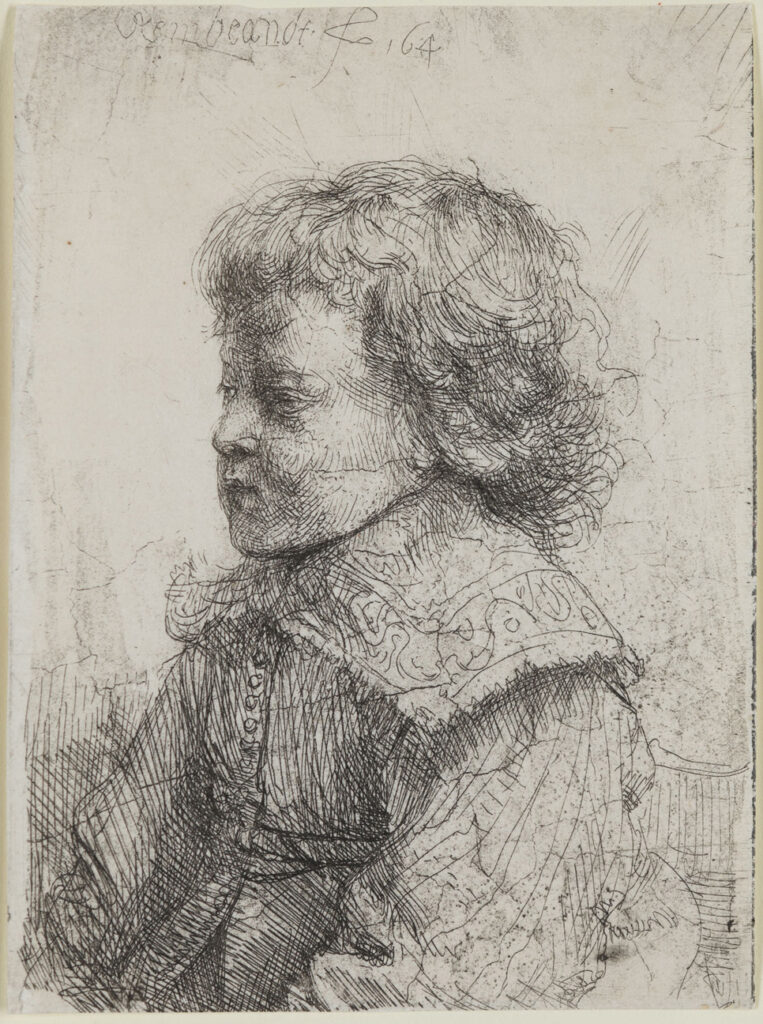
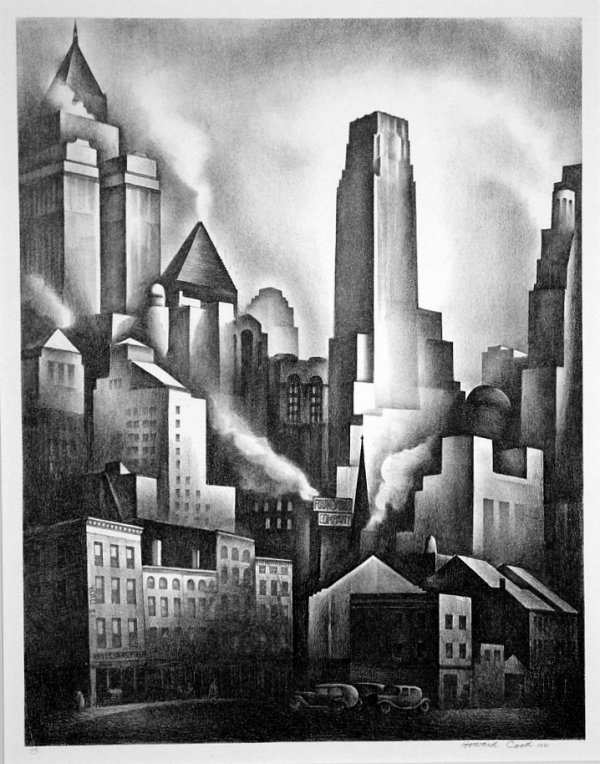
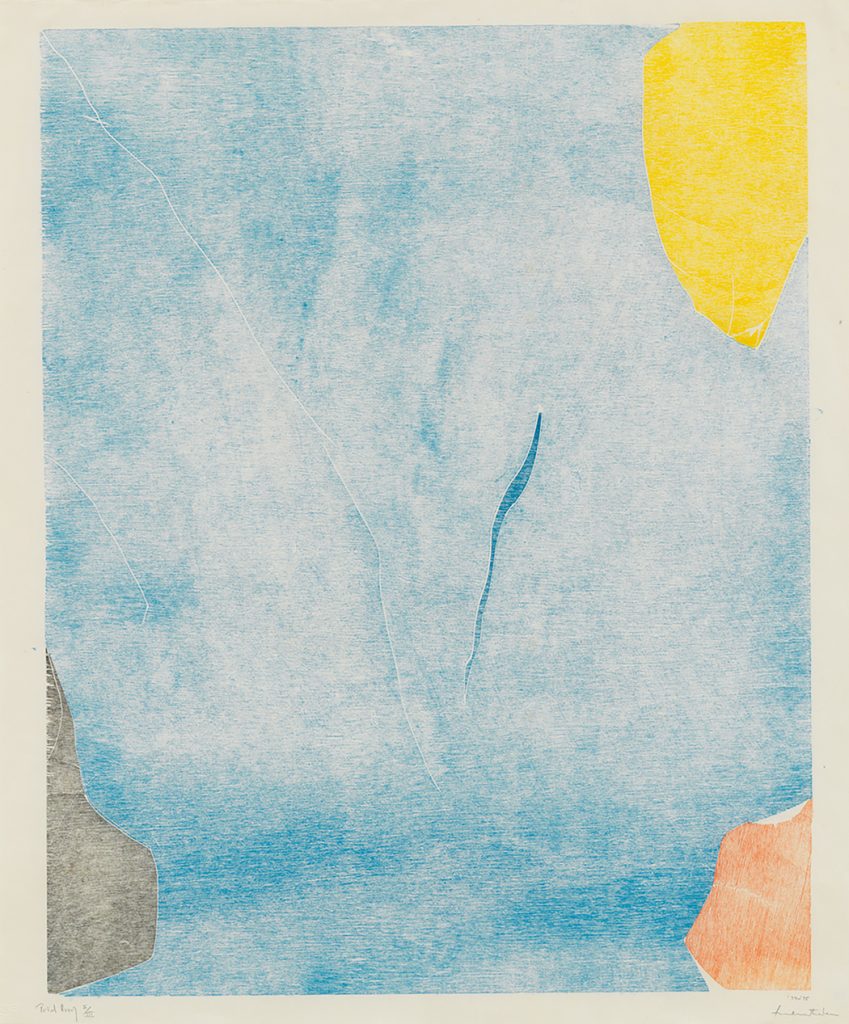
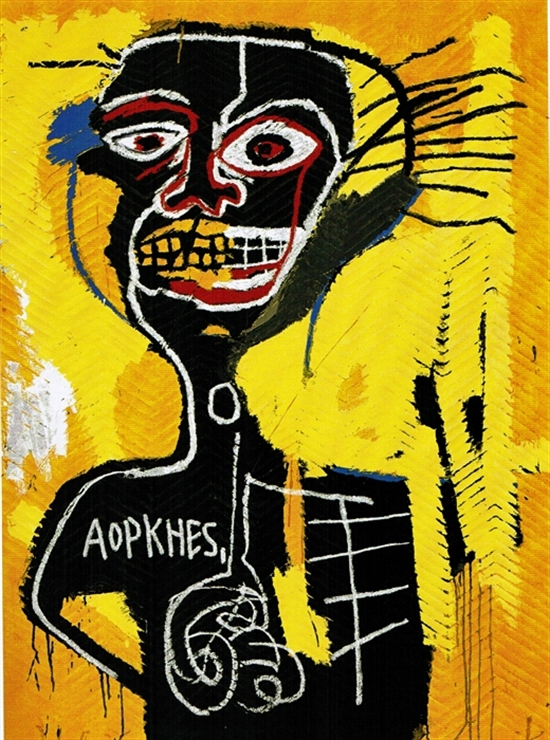
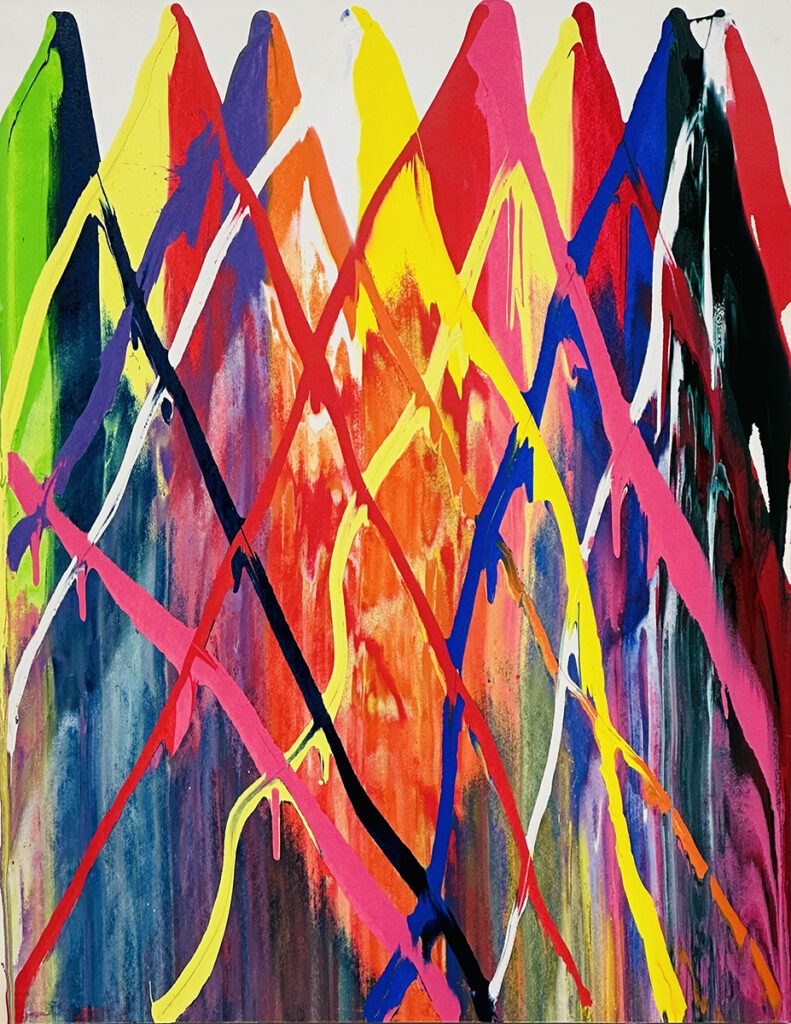
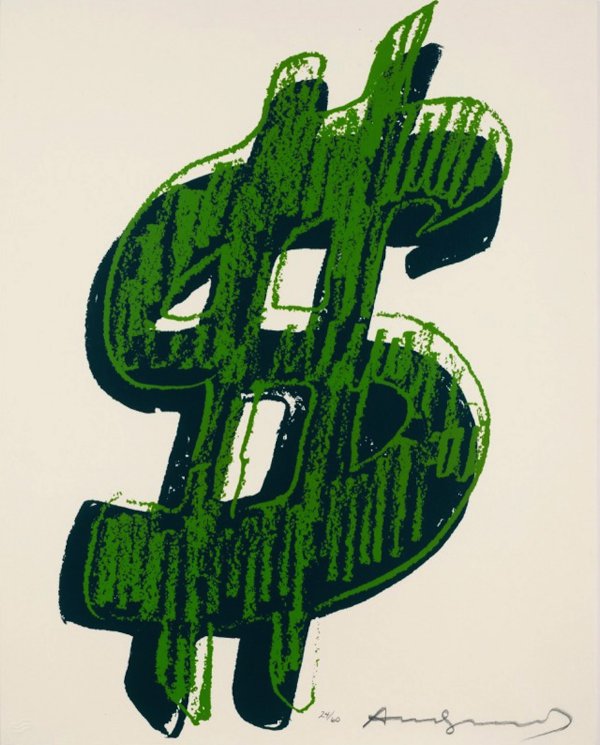
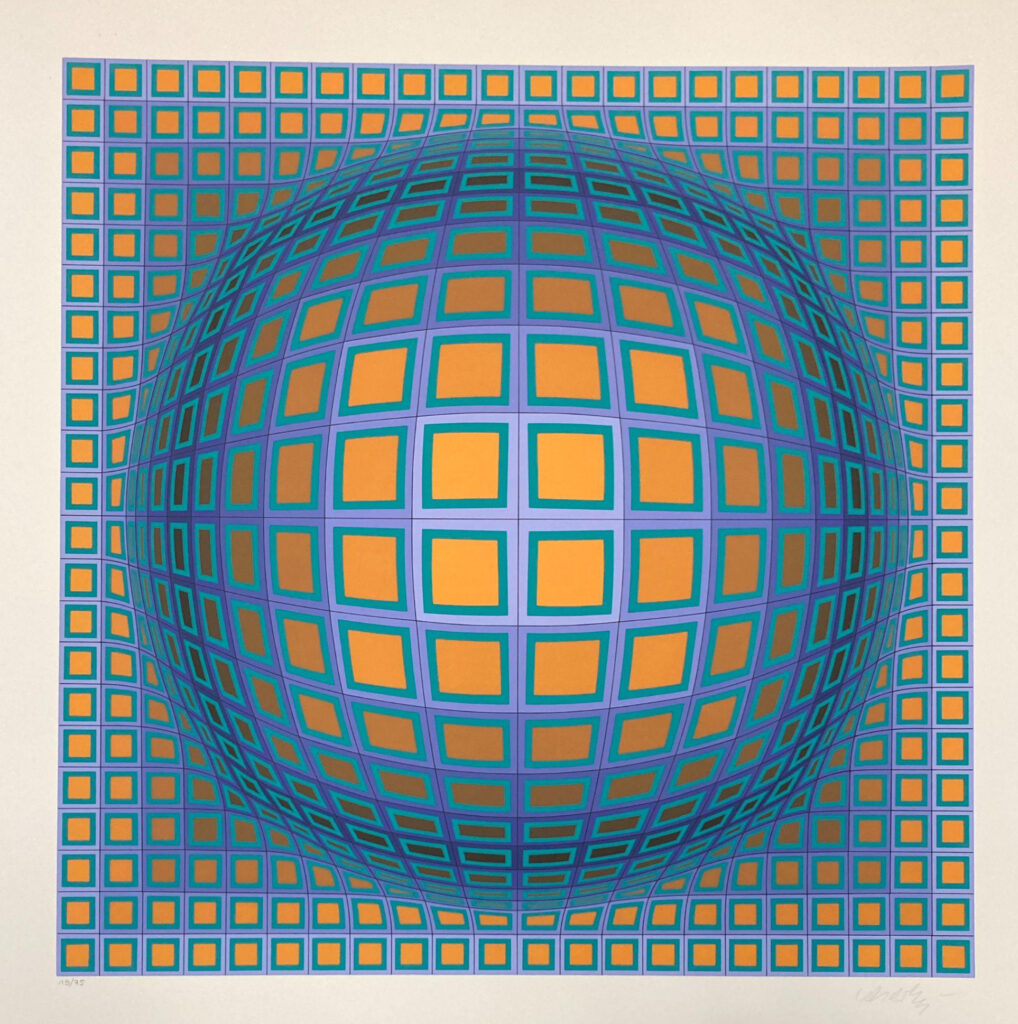
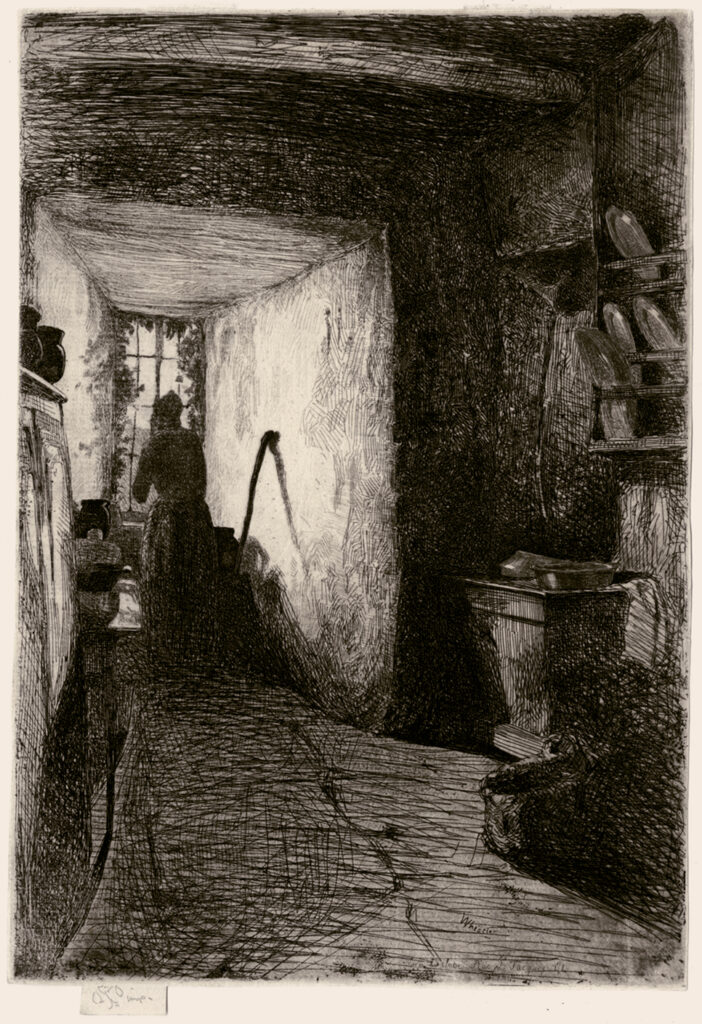
The history of art is largely a history of what artists did when they stopped following the rules of the generation before them.
Printmaking was usually the place they did it first.
Why movements matter – and why prints tell the story better than anything else.
Every major shift in the history of art had a printmaking dimension. Not as a side note. As a central fact.
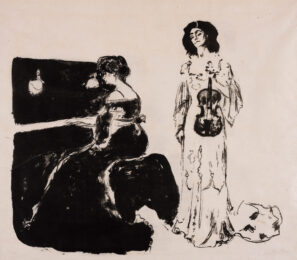
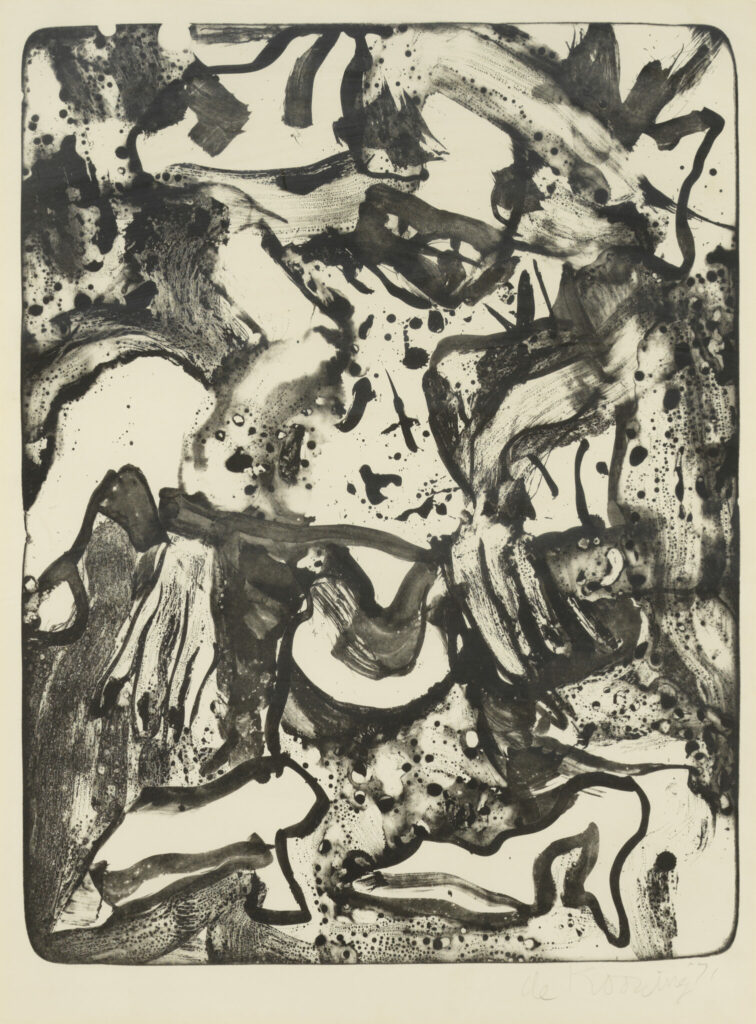
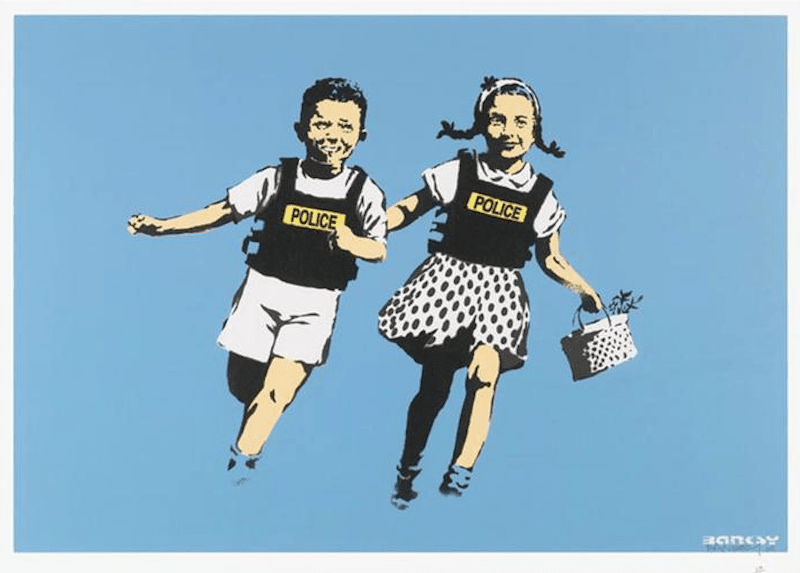
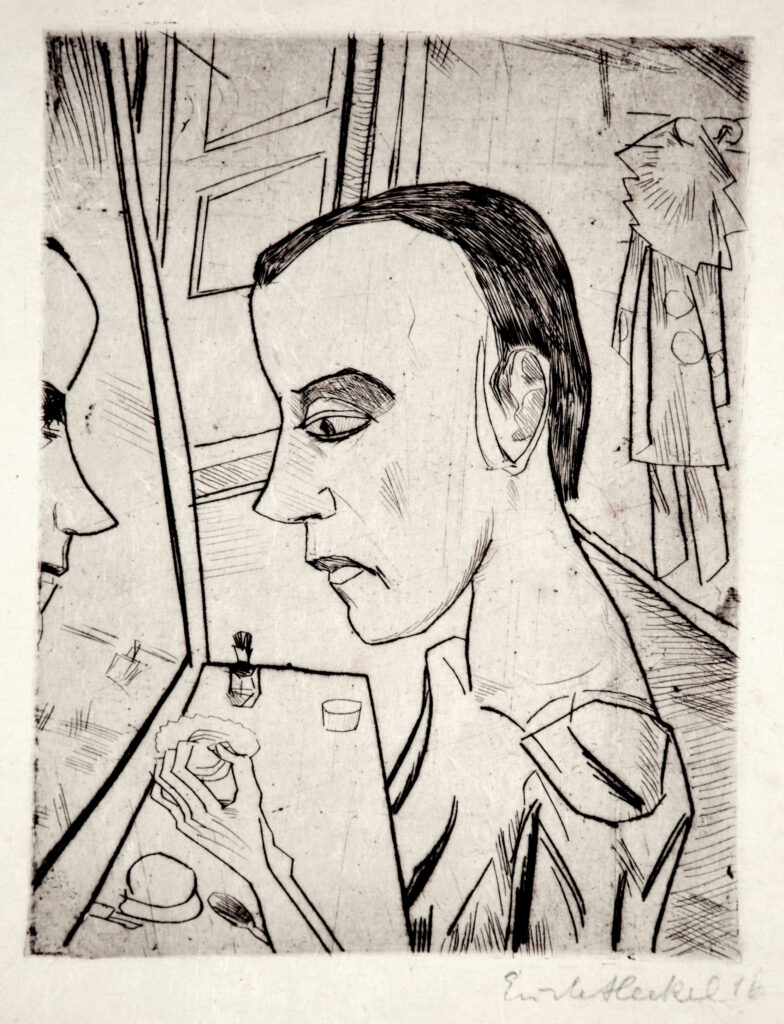
When Dürer wanted to spread the ideas of the Northern Renaissance across Europe, he made woodcuts and engravings – because prints could travel in a way that paintings couldn’t. When the Expressionists wanted to tear through the politeness of academic art and reach something raw and truthful, they reached for the woodcut block and the etching needle. When Pop artists wanted to interrogate mass culture, they chose silkscreen – the industrial process – because the medium was the argument.
Prints weren’t the record of these movements. In many cases, they were the movement.
This matters for collectors today because it means that acquiring a print from a significant movement isn’t a consolation prize for not being able to afford the paintings. It is, in many instances, acquiring the work in which the movement’s ideas were most directly and physically expressed.
Below you’ll find six centuries of that expression – organised not as a syllabus, but as an invitation. Move through them in order, or start wherever your eye takes you. Both approaches will teach you something.