Details — Click to read
The Kingdom of This World
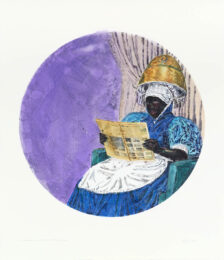
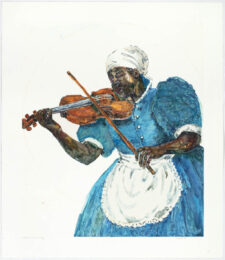
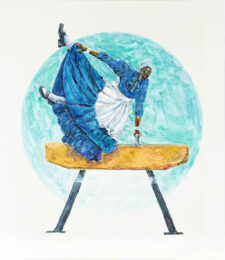
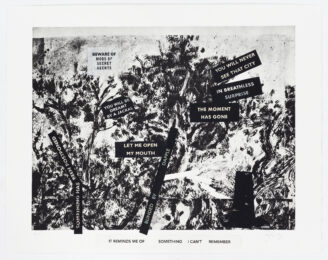
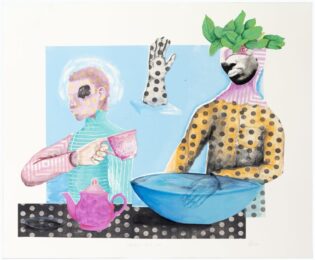
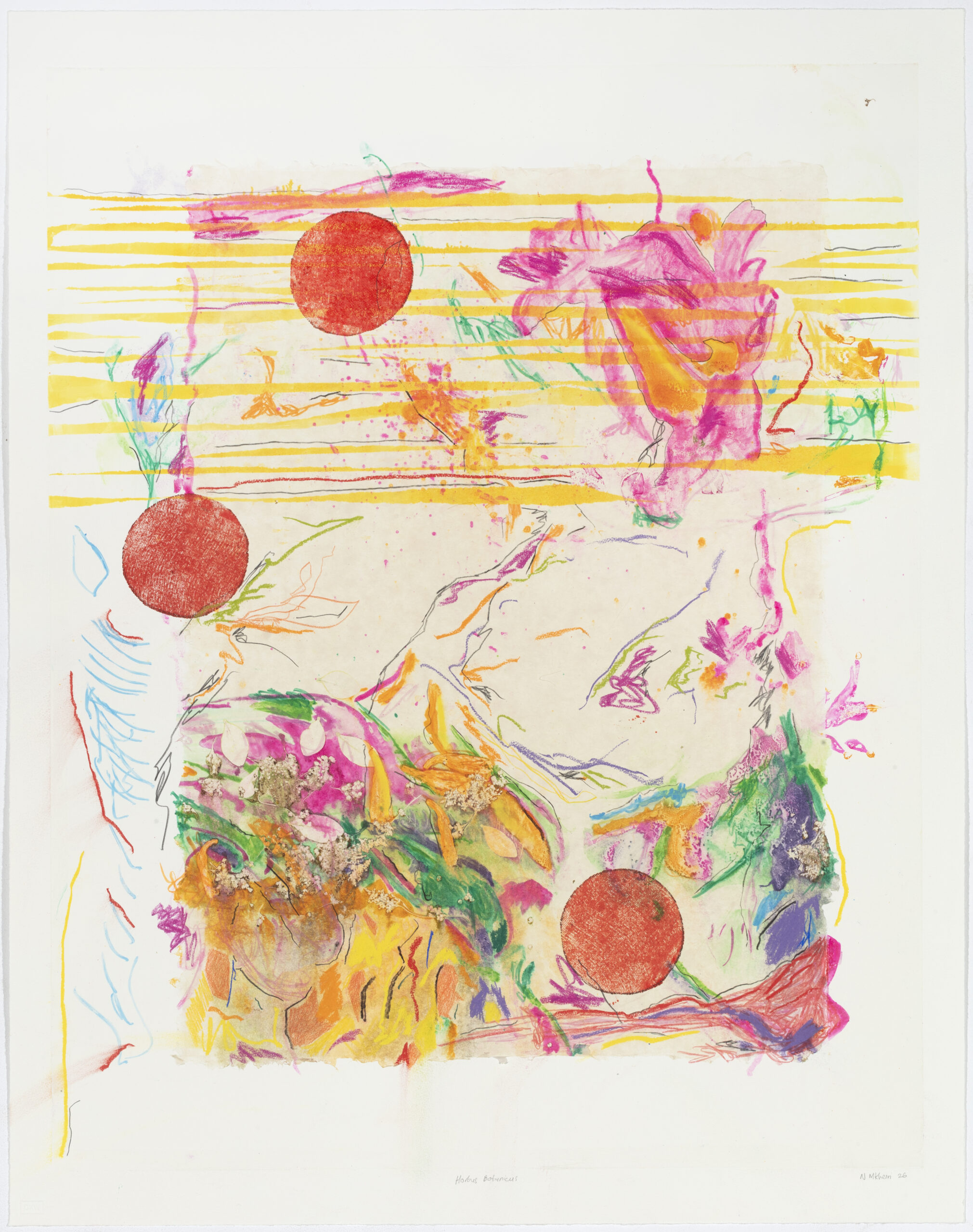
The Kingdom of This World extends the conceptual terrain of Between Two Sessions, shifting the interval from a space of pause into a site of ontological density. Where the earlier project explored suspension as breath—an in-between charged with potential—this new body of work examines what inhabits that suspension: ancestral residue, material memory, and the persistence of the unseen within the visible.
Taking magical realism as a structural framework rather than stylistic reference, the project aligns with Alejo Carpentier’s notion of lo real maravilloso—the marvelous as immanent to lived Reality. Within this expanded epistemic frame, metaphysics is not symbolic; it is material. Breath is a circulation. The sound is archived. Surface is a threshold.
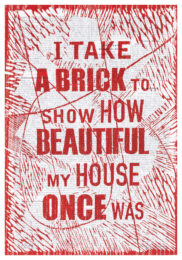
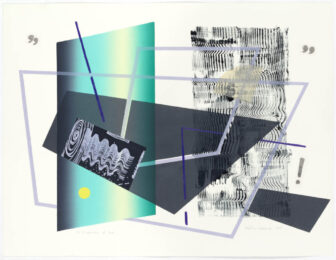
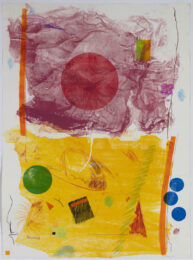
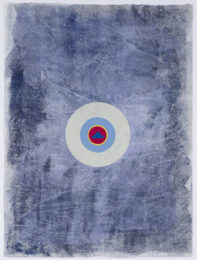
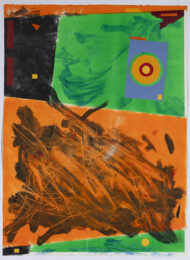
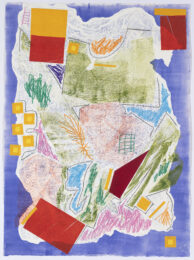
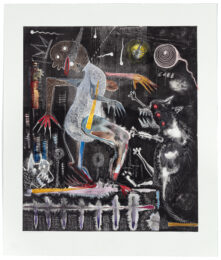
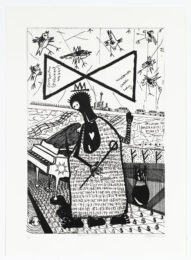
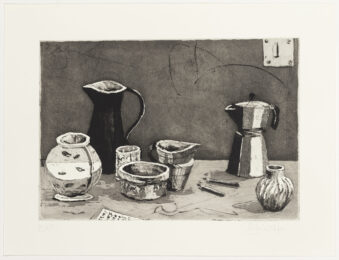
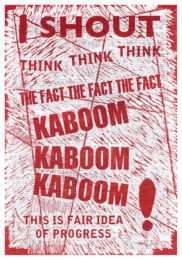
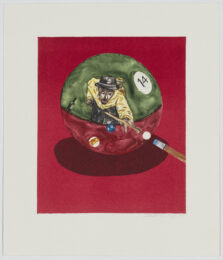
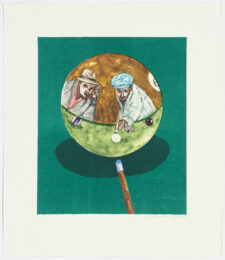
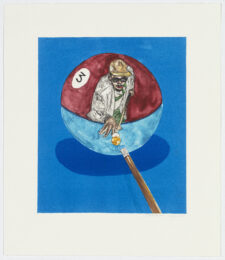
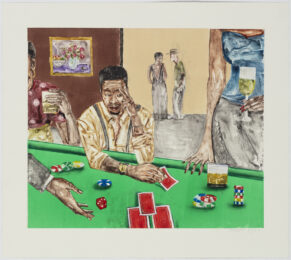
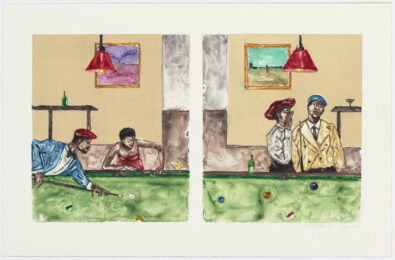
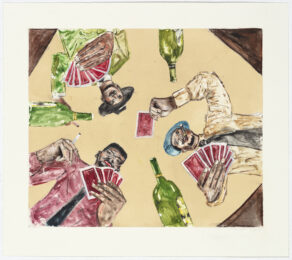
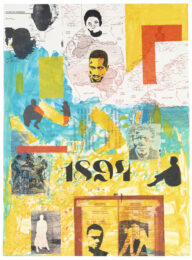
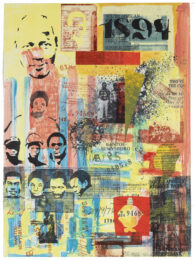
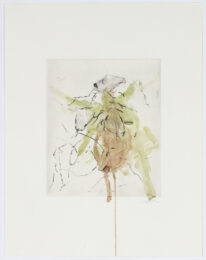
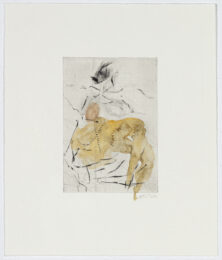
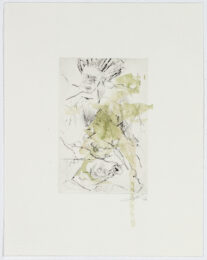
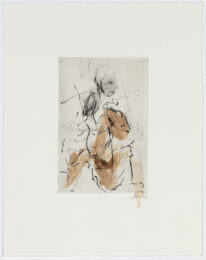
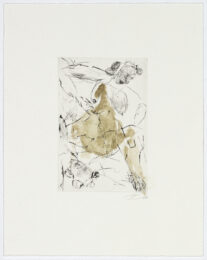
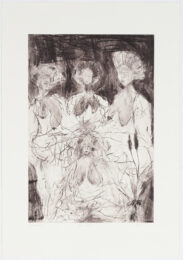
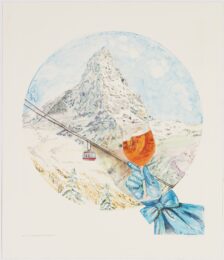
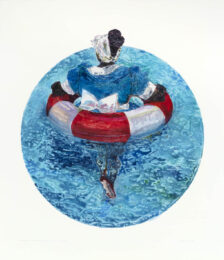
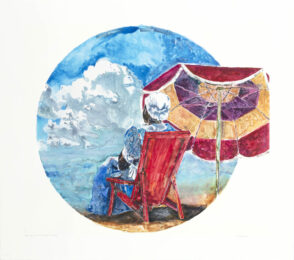
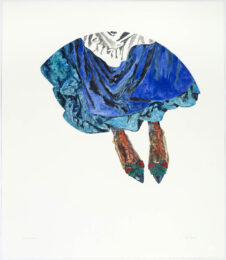
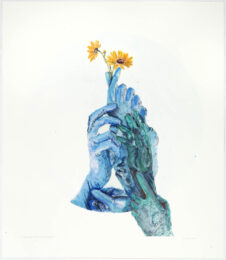
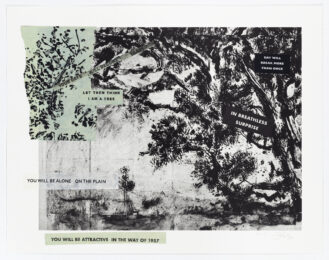
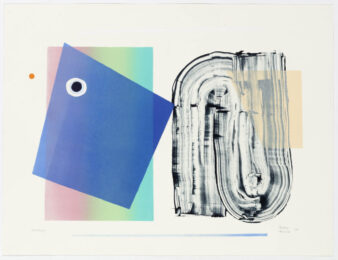
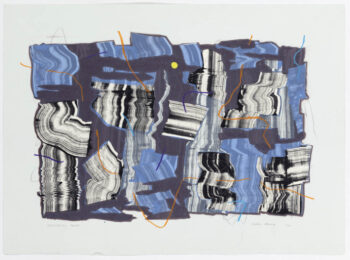
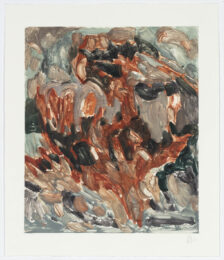
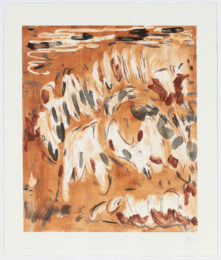
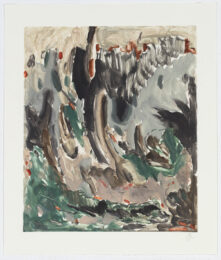
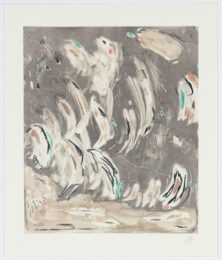
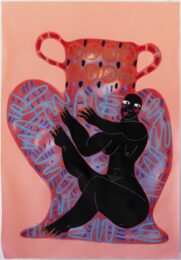
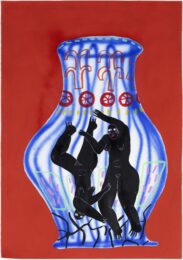
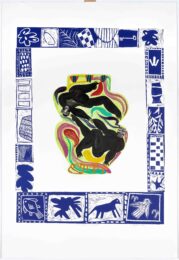
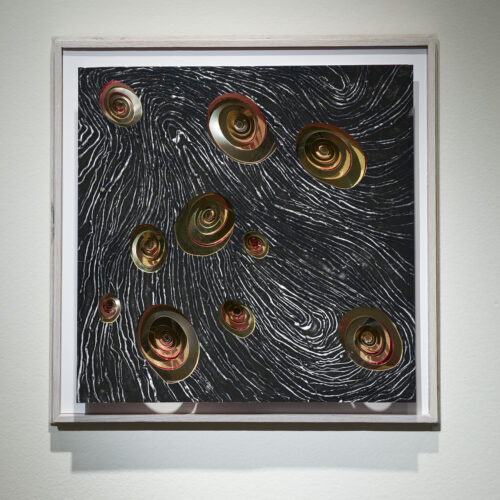
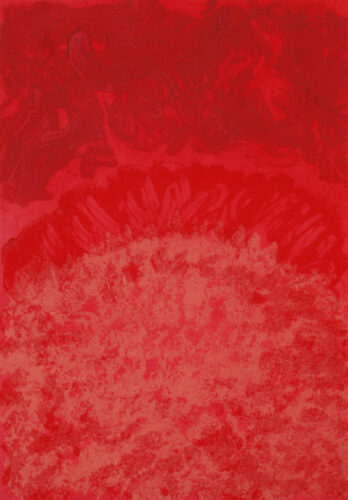
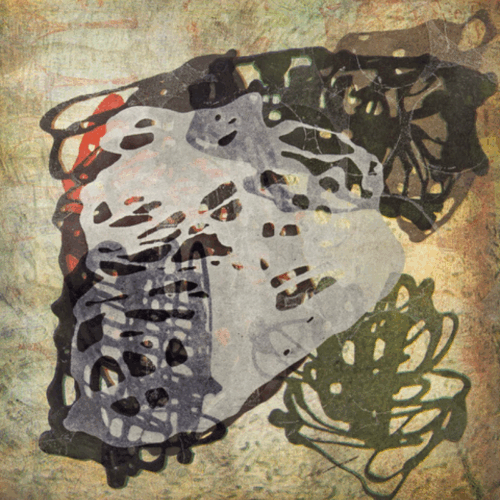
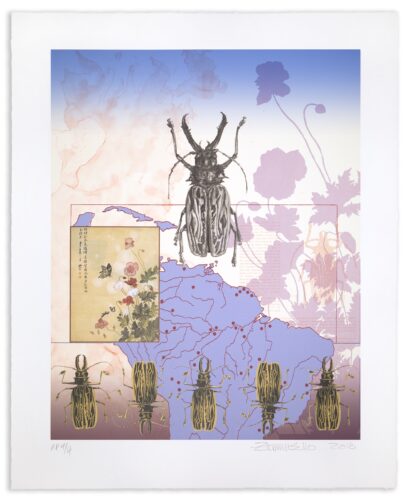
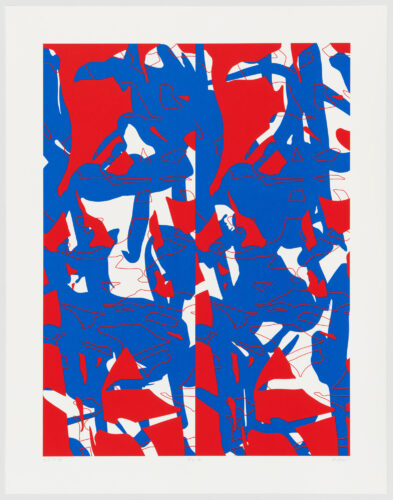
Working primarily in large-scale monotypes, Mkhari continues a recompositional methodology in which fragments—studio detritus, overprinted matrices, collage, chine collé elements, and residual textures—are neither concealed nor resolved. Instead, they remain active within the image field. Chromatic systems behave atmospherically rather than descriptively: ultramarines deepen into spatial pressure, ferric reds vibrate against acidic greens, carbon blacks absorb and destabilise. The compositions resist singular focal points, operating instead as environments of Distributed intensity.
If Between Two Sessions positioned the artwork as interval, The Kingdom of This World positions it as threshold—where multiple ontologies coexist without hierarchy. Drawing from Bantu cosmological thinking and the concept of moya as circulation between bodies rather than interior possession, the works understand presence as relational and porous. The metaphysical is embedded in the material processes of printing: pressure, transfer, saturation, and erasure become analogues for transformation and return. In the context of contemporary art economies that privilege legibility and immediacy, this body of Work proposes opacity as method and density as refusal.
Magical realism here is not fantasy but an insistence that the visible world is already inhabited by forces that exceed rationalist containment. The works do not illustrate this condition; they enact it through material processes. By extending the language of interval into an investigation of the marvelous structural reality, The Kingdom of This World advances Mkhari’s ongoing exploration of fragmentation, recomposition, and the politics of holding space for multiplicity.