Home > Andy Warhol > Revolver Gallery > S&H Green Stamps
  • S&H Green Stamps by Andy Warhol

S&H Green Stamps by Andy Warhol

Revolver Gallery

Lithograph

1965

Edition Size: pproximately 300; some signed in ball-point pen

Image Size: 23" x 22 3/4" | 58.4 x 57.8 cm inches

Sheet Size: 23" x 22 3/4" | 58.4 x 57.8 cm inches

Reference: FS II.9

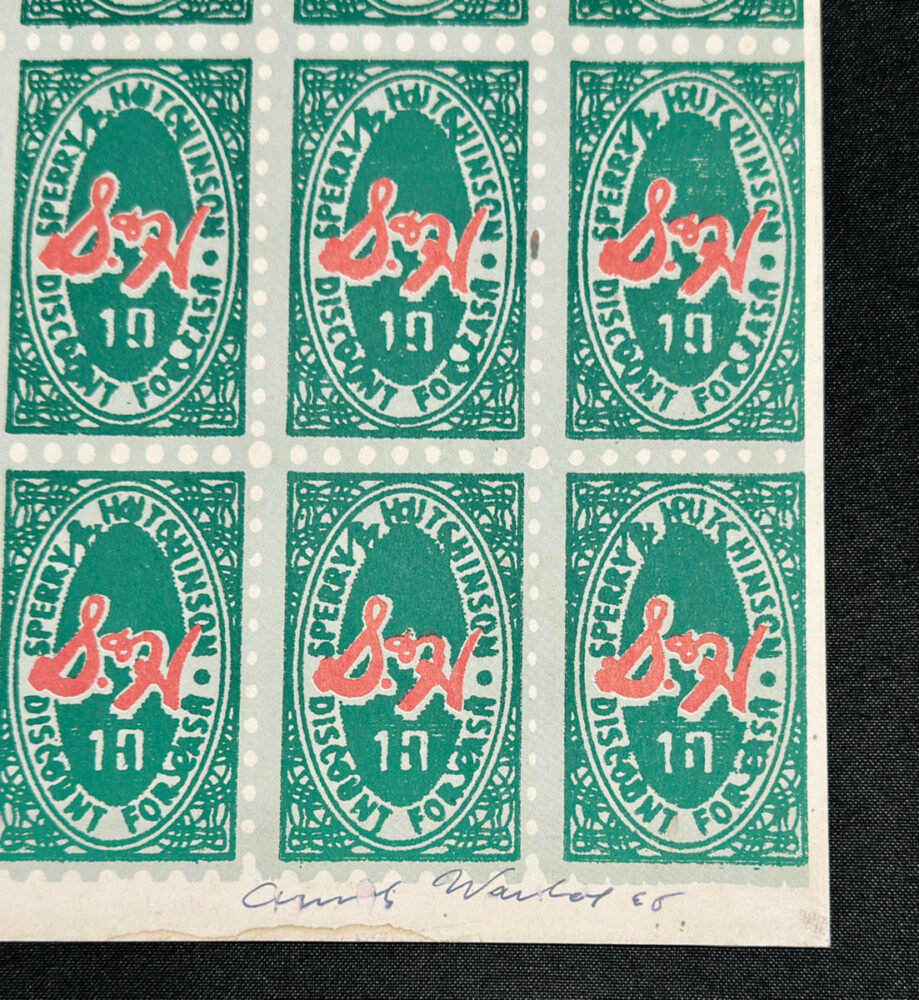
Signed

Condition: Poor

Details — Click to read

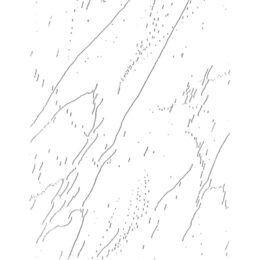
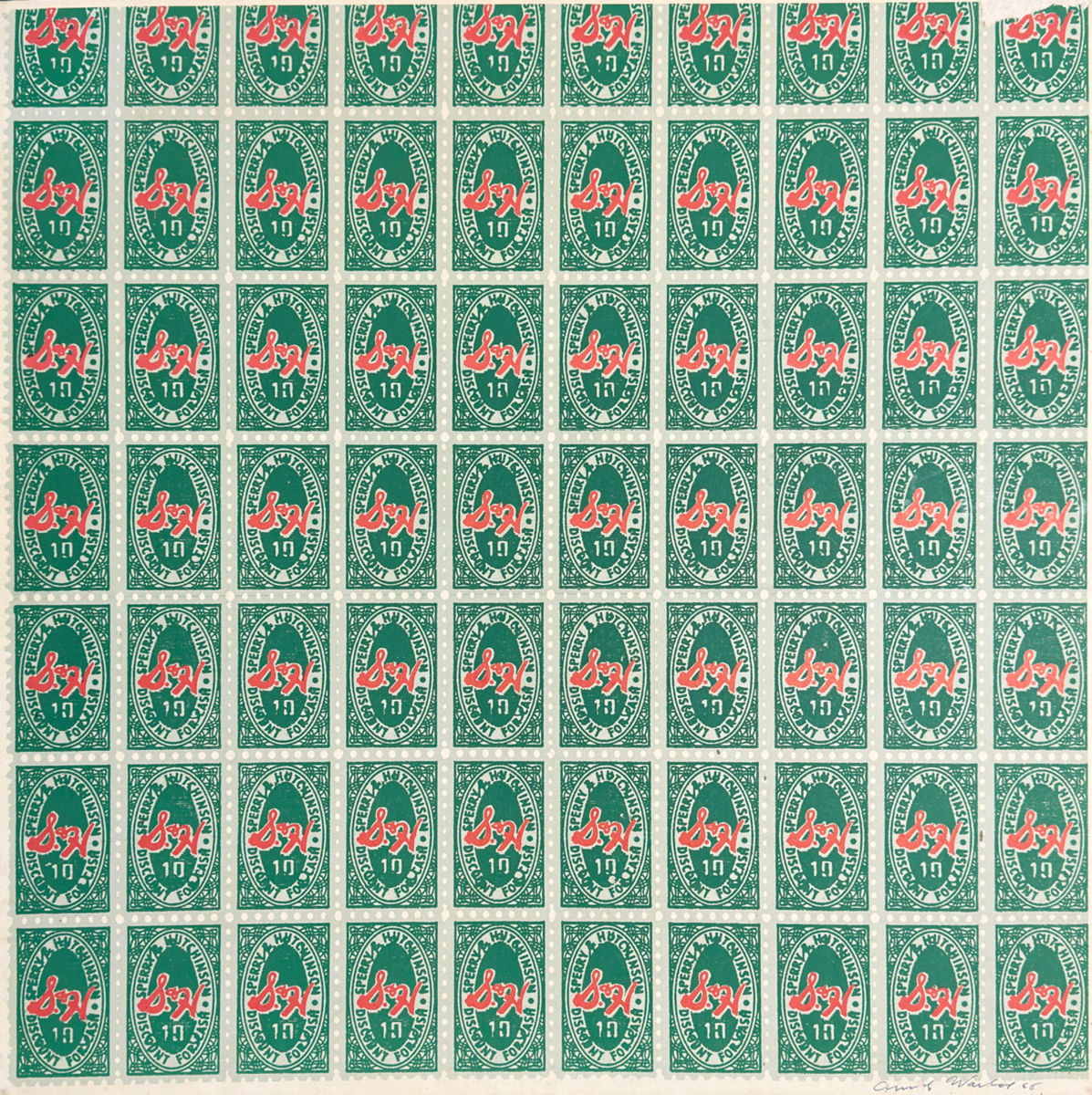
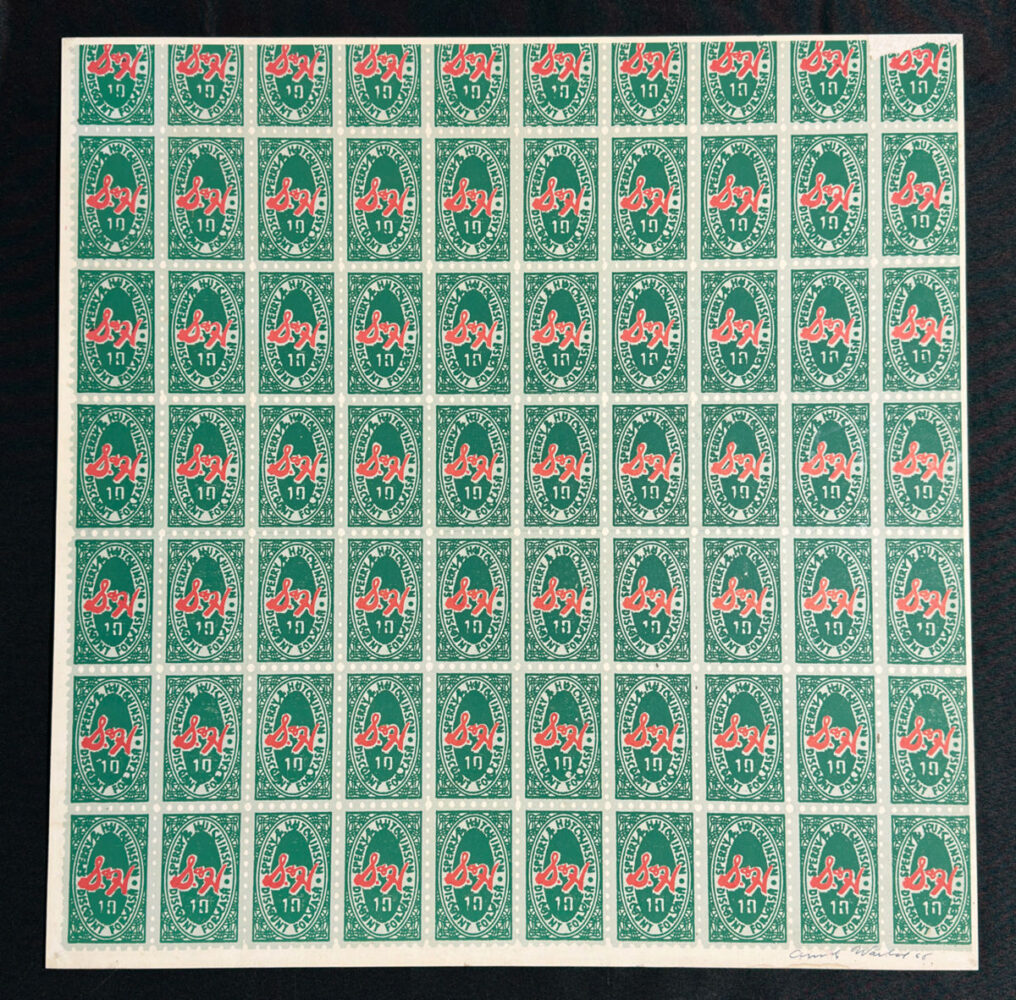
Andy Warhol created S&H Green Stamps 9 in 1965 as a lithograph featuring tightly aligned rows and columns of S&H Green Stamps. He designed the print to promote his exhibition at the Institute of Contemporary Art in Philadelphia. Warhol printed 6,000 copies, folded them by hand, and distributed them to the public. With this gesture, he blurred the line between art and advertisement—between the gallery walls and the consumer marketplace.

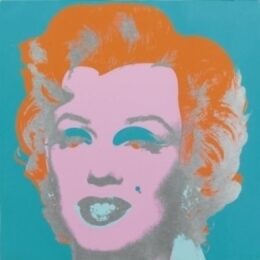
The stamp grid displays the same technique of serial repetition found in many of Warhol’s most iconic works. Campbell’s Soup CansDollar SignsCow and the Marilyn Diptych. In S&H Green Stamps 9, the edge-to-edge image spills over the top of the page, giving the impression that the stamps could go on forever. Warhol employed repetition not just for effect but to comment on mass production, marketing, and the way American culture rewards consumer loyalty.
S&H Green Stamps 9 by Andy Warhol as Part of His Larger Body of Work

In postwar America, S&H Green Stamps were loyalty coupons distributed by merchants in the 1950s through the 1970s. Shoppers collected the stamps as rewards for their purchases and exchanged them for household goods. As a result, the program became a symbol of American middle-class life—an emblem of consumer loyalty, aspiration, and abundance.

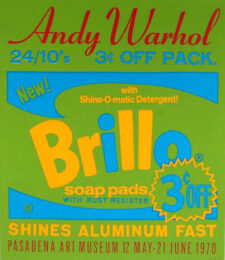
Warhol saw in the stamps a ready-made subject that carried symbolic weight. By isolating and repeating the familiar image, he transformed a mundane piece of marketing into cultural commentary. Moreover, like his Brillo Boxes and Coca-Cola bottles, this S&H Green Stamps print elevates everyday commercial design to fine art.

This piece marks a pivotal moment in Warhol’s early practice, demonstrating his early mastery of appropriation and seriality. It’s not just a nod to American consumerism—it’s a statement on the mechanics of desire, value, and visual culture in postwar America.

Price on Application

The Artist

Andy Warhol

Andy Warhol was a prolific artist known for his innovative approach to printmaking. He embraced various printmaking techniques, such as screen printing and lithography, to create his iconic works. Warhol’s printmaking practice played a significant role in his exploration of popular culture, celebrity, and consumerism.

Read more

Discover more Andy Warhol at Revolver Gallery

See More

See Andy Warhol's full range on printed-editions

View Artist

Don’t miss out on other artworks at Revolver Gallery

View Gallery

You might also appreciate these artists

Return to these works